

|
"How does a physician subscribing to "first do no harm" find himself or herself
prescribing either drugs that are
inherently harmful or drugs at hazardous
levels? The answer is not complex. "Follow the
money" is all one needs to do." - Tom Pula
If the pharmaceutical
corporations are
so truthful and honest about the risks and benefit of using their
drugs why do they make it impossible for
medical scientists to understand the results
of clinical trials? And why do they make it impossible for
consumers to access those results?
"The reason for encouraging independent studies of clinical trials is
that doing so can offer clues to risks and dangerous side effects that begin to
show up in significant numbers only after the drug is on the
market." - Ricardo
Alonso-Zaldivar
not
feeling very well
today?
this exquisitely
beautiful pill is the 'solution'!
believe it - the 'solution' - at long last!
feel it - your floating on
clouds!
dream it -
dreamtime heaven returns!
no
illness can stop you now!!!
!!!!! you are invincible !!!!!
To stay
in the game all you have to do is find the
appropriate chemical
combination!

In 1990 Americans spent $40 billion on
prescription drugs.
In 2004 Americans spent $190 billion on
prescription drugs.
By 2006 Americans spent $280 billion on prescribed
drugs.
From 1990 to 2006 prescription drug sales
increased 700%.
A 1998 JAMA study estimated an average of 106,000
prescription medication deaths per year.
Pharmaceutical pushers (oops! I'm bad - I meant "salesmen"!) spend up to a $1 billion
to market the next blockbuster
drug.
Under new the guidelines, established by the Food
and Drug Administration in 2009, pharmaceutical manufacturers are allowed to
distribute copies of medical journal articles that describe unapproved uses of
their drugs. Pharmaceutical manufacturers hope to entice doctors into
prescribing their drugs for unapproved uses in the hope of increasing sales.
(Note - many times pharmaceutical manufacturers hire researchers to
generate medical journal articles favorable to pharmaceutical manufacturers
drugs.)
"Apothecary, n. The physicians's accomplice,
undertaker's benefactor and grave worm's provider." - Ambrose
Bierce

Aspirations of being elevated to a position outside
of nature, where the
natural physical laws of nature can be preempted,
ultimately result in disappointment. The only thing that will ever elevate
living
human beings physically out of
nature, making then immune to
nature and reality, is death.
"Sick
days are typically unplanned, which results in
significant burdens to corporations
when individuals do not show up as
expected." - Rick Chaifetz,
CEO of ComPysch, (human resources)
"People are being
forced to chose between being a
good employee or being a good family member.
That's not a choice anyone should have to make." - Linda Meric, director of
9 to 5, National Association of Working Women
The United States Food and Drug Administration
(FDA) turned to a nonprofit front group erected by Shaw Science
Partners, a public relations firm that specializes in launching new drugs
," to help the public understand direct-to-consumer drug ads with a new web
site - EthicAd. EthicAd, the nonprofit behind the FDA site, is funded by
Shaw Science Partners and its own board members. Shaw Group founder
Michael Shaw admitted that "if not all, almost all" of EthicAd's funders "do
work for industry." EthicAd shares the same physical address as Shaw Science
Partners. To understand how
social control
through drugs works one must understand
the human
ego.
Popular
American behavior is ingrained by
commercial messages endlessly
repeated.
These commercial
messages are directed at the individual, you.
American mass media
endlessly brands you with
product.
After all,
buying this product is the
solution to good
health!
The greatest
human failing is the support of
ego through
fantasy.
You
fantasize, "Finally, the
solution!"
You want to
believe, you need to
believe.
This is how you are trapped
with drugs.
It does not matter if
the drugs are legal or illegal - you are
still trapped. Trapped how?
Trapped by your need to
believe in the miraculous properties of the
drug to continue to make you feel
good!
No human will ever
know what it is like to inhabit
another
humans body.
You can
empathize with
another's
pain but you can not
experience it directly.
You can not
know what it feels like to be perfectly healthy just as you can not
know the details of the
pain
another experiences. If you have never
experienced acute
pain then you can not
know how that
pain feels. And there are so many diseases and
disorders to fear!
Do you feel
good? Are you right with the Earth?
You say NO?!
Have
I got the 'perfect' drug for YOU!
"When patients
ask for a drug, they tend to get the
drug regardless of whether it is
appropriate for them." - Joel Weissman, health policy expert, Harvard Medical
School
The problem is: there really are no 'perfect' drugs!
It is illegal in
America to
advertise a
drug as a cure!
"According to the 2005 Partnership Attitude Tracking Study, 40%
believe that prescription medicines are "much safer" to use than illegal drugs.
Furthermore, the same study concluded that 31% believe there's "nothing wrong"
with using prescription medicines without a prescription "once in awhile." The
truth of the matter is, these controlled substances are not just highly
dangerous, but they can prove lethal." - Joseph T. Rannazzisi, May 16,
2007 Questions: Why is cannabis controlled? Cannabis is neither dangerous or

lethal! Why are lethal drugs marketed so
heavily? And why are some lethal drugs not "scheduled"?
Drugs are
"scheduled" for one reason alone: They may be addictive!
"International
treaties negotiated in 1912, 1925, 1931, 1936, 1948, 1953, and the omnibus 1961
Single Convention, all defined an addicting drug as a substance that generated
effects similar to those produced by opiates or coca." - John J. Coleman
If a drug makes you feel good it is addicting! If a drug makes you feel
good it is "scheduled!"
Legal addictive drugs that are not scheduled:
alcohol, tobacco, chocolate and
coffee. Both alcohol and tobacco
are more addictive and more dangerous than cannabis!
Alcohol makes you
feel good why is it not scheduled? Oh that's right prohibition did not work out
as expected!Tobacco and coffee
makes addicts feel good why are they not scheduled?
"If people let government decide what foods they eat and what
medicines they take, their bodies will soon be in as sorry a state as are the
souls of those who live under
tyranny."
Thomas Jefferson
Upton Sinclair publishes "the Jungle"in 1905
PURE Food and Drug Act passed in 1906. Investigations into the content of Coca-Cola are halted by the US
Secretary of Agriculture.
Bureau of CHEMISTRY begin's policing quality of
food in 1907. "The country is pacified by a blind
belief that the drugs being prescribed to them have been proven safe because
our government health agencies have our physical health and well-being in their
best intentions. This is a lie, an extraordinarily deadly lie.
Iatrogenesis, medically induced injury and death, is the number one
cause of death in American medicine annually. Only a small percentage of these
deaths are actually reported. Each year more Americans die from preventable
deaths due to our medical system than all military causalities in the two world
wars combined. This is tantamount to medical genocide.
One of the major causes of these deaths is the
overmedication of Americans in all ages. The constant need for profits has
created an environment that allows the pharmaceutical industrial complex to use
their enormous financial and political clout to literally make normal life
experiences into new diseases, such as
social anxiety disorder,
in order to sell its drugs. The pharmaceutical industry has been given the
authority to pathologize life, with the drugging of our children, seniors,
etc.
Every American who is prescribed a drug by a physician has the
belief that that pill has undergone rigorous trials to scrutinize its safety.
And when there are known potential adverse effects, we blindly assume these are
known to the attending physician. However, this is a myth perpetuated not only by drug makers, but by our
own federal health agencies.
The pharmaceutical industrial complex is
perhaps the largest, most influential cartel in the world. Our analysis of 724
legal settlements from a random sampling among the over one hundred thousand
settlements by pharmaceutical corporations totals $87 billion - just a small
indication about how pervasive Big Pharmas criminality is as the vast
majority of settlements are concluded outside of court and remain
confidential.
It is not to far afield to suggest that as it stands now
the US regulatory agencies are an extension of corporate America. If we want to clean up American
medicine, the corporate shield must be removed and politicians, health
officials and pharmaceutical executives must be held accountable. If they are
threatened with jail time for manslaughter by pushing dangerous drugs, then we
will see less life-threatening drugs go to market. " - Dr. Doug Henderson and
Dr. Gary Null
On November 18, 2004, David J. Graham, M.D., M.P.H.,
Associate Director for Science and Medicine in the FDA's Office of Drug Safety,
testified before the U.S. Senate:
My research and efforts within FDA
led to the withdrawal from the US market of Omniflox, an antibiotic that caused
hemolytic anemia; Rezulin, a diabetes drug that caused acute liver failure;
Fen-Phen and Redux, weight loss drugs that caused heart valve injury; and PPA
(phenylpropanolamine), an over-the-counter decongestant and weight loss product
that caused hemorrhagic stroke in young women. My research also led to the
withdrawal from outpatient use of Trovan, an antibiotic that caused acute liver
failure and death. I also contributed to the team effort that led to the
withdrawal of Lotronex, a drug for irritable bowel syndrome that causes
ischemic colitis; Baycol, a cholesterol-lowering drug that caused severe muscle
injury, kidney failure and death; Seldane, an antihistamine that caused heart
arrhythmias and death; and Propulsid, a drug for night-time heartburn that
caused heart arrythmias and death. I have done extensive work concerning the
issue of pregnancy exposure to Accutane, a drug that is used to treat acne but
can cause birth defects in some children who are exposed in-utero if their
mothers take the drug during the first trimester.
We are faced with
what may be the single greatest drug safety catastrophe in the history of this
country or the history of the world. We are talking about a catastrophe that I
strongly believe could have and should have been largely or completely avoided.
But it wasn't, and over 100,000 Americans have paid dearly for this failure. In
my opinion, the FDA has let the American people down, and sadly, betrayed a
public trust.
"People think the Food and Drug Administration is
protecting them. It is not. What the
Food and Drug Administration
is doing and what the public thinks it is
doing are as different as night and
day." - Dr Herbert Ley,
Food and Drug Administration
commissioner, in testimony before a United States Senate
hearing
In a survey of
Food and Drug Administration
scientists in 2006 - 39% said the agency was
not acting effectively to protect public health, 15% said they had been asked
to exclude or alter conclusions in agency documents and 37% said that
administrators were committed to approving
products for sale before
assuring product
safety.
A survey, published in the New England Journal of
Medicine in 2006, sent to 893 clinical trial review board members asked
them if they had corporate
financial ties which included funding of
research, consulting, receiving royalties, owning stock or sitting on a
corporate board. Of 574 responses
36% said they had financial ties.
Dr. Lester M. Crawford,
appointed by George W. Bush as the
Food and Drug Administration
Commissioner, pleaded guilty to
conflict of interest and false reporting of ownership of stock in October 2006.
(Dr. Lester M. Crawford made regulatory decisions affecting
pharmaceutical
corporations he held stock
in.)
"What are the possible consequences of financial bias in
clinical research and practice guidelines? One is that physicians may be more
likely to prescribe a drug for a condition that should first be treated with
non-pharmacologic remedies. Another is that prescribing the newest, research
touted drug may expose patients to side effects not fully recognized in the
drug's clinical trials. Still another is that new drugs are the most expensive
on the market; even though they may be no more effective than cheaper, generic
substitutes." - Jerome P. Kassirer
"When the boundaries between
industry and academic medicine become as blurred as they are now, the business
goals of industry influence the mission of medical schools in multiple ways." -
Marcia Angell
The drug safety
problems began in 1992 with the passage of a new law, the Prescription Drug
User Fee Act (PDUFA), which was marketed for its miraculous ability to reduce
the time and cost of bringing lifesaving drugs to market in time to save
substantial numbers of disease victims.
By 2008 three-quarters of the
clinical studies published in the three
most respected medical journals,
the New England Journal of Medicine, the Journal of the American
Medical Association and the Lancet, were
commercially
funded. Pharmaceutical corporation funding
has left the Food and Drug
Administration a captive of the pharmaceutical
corporations.
"The vast majority of New Drug Applications
(NDAs) received by the Food and Drug
Administration are for new formulations of pharmaceuticals that are
already on the market or for drugs in the same class as an existing approved
drug. A fairly small percentage - about 17% - of NDAs are for priority drugs,
or drugs viewed by FDA as offering an important new therapeutic advantage." -
Bette Hileman "Americans
waste billions each year on
drugs of dubious value. Until we find a
way to fund quality
controls on published research, the cost of our
medical care will continue to soar and our health will
suffer." - John Abramson, MD clinical instructor
Harvard Medical School Pfizer, Merck and Glaxo-SmithKline are making a
mockery of efforts to create transparency in
clinical trials. They
are giving nonsense details written in a
way to hide what they are doing." -Dr.
Jeffrey M. Drazen, Editor in Chief of the New England Journal of
Medicine, May 2005
"In recent years, the
Food and Drug Administration
has been run in a manner that maximizes profits to drug companies at the expense of
protecting the public. The drug companies
frequently submit research that
they commissioned, while the Food and
Drug Administration rubber-stamps the approvals to get the drugs out to
the public as quickly as possible." - Jeff Graber
"Americans have been left in the
dark about the contingent
nature of the approval of
drugs. Patients are paying to be
human guinea pigs in real
world trials that have no end." - Represenative Edward J. Markey
"To a
real degree, the people who get a
drug in the first few years after its
approval are being experimented
on." - Dr. Brian L. Strom, a professor of biostatistics and epidemiology at the
University of Pennsylvania
The Food and Drug
Administration issued a legal opinion in January 2006 that
Food and Drug Administration
approved labels on drugs give the
pharmaceutical
industry broad immunity from
lawsuits.
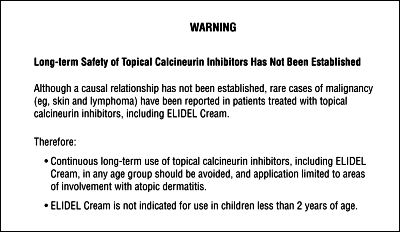
{If the
advertised
drugs creates any of the disclosed' conditions -
lymphoma, heart attack, severe diarrhea, stroke, etcetera - then the
pharmaceutical
industry is not liable. If a warning
occurs on the label you can expect a percentage
of the population to contract
the disease through use of the drug. If
you happen to be the one that contracts a disclosed condition too bad! You were
warned!
Before 1980, most medical studies were publicly
funded and most academic
researchers scorned
industry support due to conflict of
interest issues. After 1980 the vast majority of
clinical trials became
commercially
funded. Journal editors and peer reviewers
typically are not allowed unrestricted access to the data from
commercially sponsored
research. Even many of pharmaceutical
corporation
funded researchers who write the articles are also
not allowed access to all of the data the pharmaceutical
corporation has
collected.}
Clinical trials of new
drugs are no longer required to be
tested on animals first.
Clinical trials most new
drugs now done for profit. A
clinical trial operator
is hired to test the new
drug on
uninformed individuals.
As long as the operator of the
clinical trial sticks
with approved procedure they are exonerated from any
harm done. The uninformed, or those in
financial difficulties, are enlisted for cash to participate in
testing of the new
drugs on
humans.
In a
clinical trial in
Britain in 2006 six men were given a experimental
drug at ten minute intervals. Nino
Abdlehady was given $3500 to participate in an
experiment as a
human guinea pig in
testingTGN1412, an antibody
manufactured by fusing mouse and
human cells. Nino Abdlehady was
administered one five hundredth of what would be a standard dose. The
drug "ripped through" Nino Abdlehady body
"like wildfire". Nino Abdlehady's head swelled to twice its normal size. Nino
Abdlehady was unconscious for 8 days.
Nino Abdlehady stated that by the time he
was administered the drug the first
volunteers where already experiencing severe
reactions. The man next to him, who had been injected minutes before him
complained of head pain "like rockets
going off". Even though at this time it must have
been apparent to researchers that the
drug was causing adverse effects they
went ahead and gave it to Nino Abdlehady.
A deal is a deal and the
researchers would not be paid unless
they followed strict procedure even though following those procedures was in
direct violation of the Declaration of Helsinki which is morally binding on all
physicians and overrides any national or local laws or regulations.
The
fundamental principle of the Declaration of Helsinki is respect for the
individual (Article 8), their right to self determination and the right to make
informed decisions (Articles 20, 21 and 22) regarding participation in
research, both initially and during the course of the research. The
investigator's duty is solely to the patient (Articles 2, 3 and 10) or
volunteer (Articles 16, 18), and while there is always a need for research
(Article 6), the subject's welfare must always take precedence over the
interests of science and society (Article 5), and ethical considerations must
always take precedence over laws and regulations (Article 9).
The six
human guinea pigs screamed
in pain, ripped their clothes off,
began convulsing and then lost consciousness. All the
human guinea pigs were
hospitalized with some suffering major organ
failure. The value of their
lives - $3500. For thirty five hundred
dollars these human guinea
pigs nearly lost their lives!
"If
clinical trials become a commercial venture in which self-interest overrules
public interest and desire overrules science, then the social contract which
allows research on human subjects in return for medical advances is broken." -
Jonathan Quick
America is returning to the era before the
Declaration of Helsinki when it became mandatory for patients to sign a written
notice of the potential benefits and risks of participating in a clinical trial
or other experiment. Only after the Declaration of Helsinki did most
institutions implement
ethics boards to control and restrain
human experimentation. Before the
Declaration of Helsinki many human experiments were carried out by government
employees under government authority. Here follows a brief list of some of the
experiments:
Henry Heiman infects a
4-year-old boy with gonorrhea.
Dr. Arthur Wentworth performs spinal taps
on 29 children at Boston's Children's Hospital.
An American
doctor doing research in the Philippines infects a number of prisoners with the
Plague. He continues his research by inducing Beriberi in another 29
prisoners.
In the early 1900s, physicians in North Carolina,
Pennsylvania and Ohio injected dozens of orphans with syphilis and tuberculosis
in experiments.
Dr. Walter Reed goes to Cuba and uses 22 Spanish
immigrant workers to prove that yellow fever is contracted through mosquito
bites. Dr. Walter Reed pays them $100 in gold for their participation, plus
$100 extra if they contract yellow fever.
Harvard professor Dr. Richard
Strong infects prisoners in the Philippines with cholera.
Dr. Hideyo
Noguchi of the Rockefeller Institute for Medical Research publishes data
on injecting an inactive syphilis preparation into the skin of 146 hospital
patients and normal children in an attempt to develop a skin test for
syphilis.
15 children at the children's home St. Vincent's House
in Philadelphia are given tuberculin, resulting in permanent blindness in some
of the children.
Dr. Joseph Goldberger, under order of the U.S.
Public Health Office, produces Pellagra, a debilitating disease that
affects the central nervous system, in 12 Mississippi inmates. 20 years later
after millions die from the disease, the director of the U.S Public Health
Office finally admits officials knew Pellagra was caused by a niacin
deficiency for some time, but did nothing about it because it mostly affected
poor African-Americans.
Researchers perform testicular transplant
experiments on inmates at San Quentin State Prison in California,
inserting the testicles of recently executed inmates and goats into the
abdomens and scrotums of living prisoners.
Carrie Buck of
Charlottesville, the mentally normal daughter of a mentally retarded mother, is
legally sterilized against her will at the Virginia Colony Home for the
Mentally Infirm. As many as 10,000 perfectly normal women were forcibly
sterilized for "legal" reasons until 1981 in Virginia.
Cornelius Rhoads,
a pathologist from the Rockefeller Institute for Medical Research,
purposely infects human guinea
pigs in Puerto Rico with cancer cells. Cornelius Rhoads establish the US
Army Biological Warfare facilities and is named to the US Atomic Energy
Commission where he begins a series of radiation exposure experiments on
American soldiers and civilian hospital
patients.
Mental patients at Elgin State Hospital in Illinois
are injected with radium-266.
The U.S. Public Health Service in
Tuskegee, Alabama diagnoses 400 poor, black sharecroppers with syphilis.
Researchers use the men as human guinea pigs to follow the
symptoms and progression of the disease over the next 4 decades.
Dr.
William C. Black infects a 12-month-old baby with herpes as part of a medical
experiment.
The Archives of Pediatrics describes medical studies
of the severe gum disease Vincent's angina in which doctors transmit the
disease from sick children to healthy children with oral swabs.
Drs.
Francis and Salk and other researchers at the University of Michigan
spray large amounts of wild influenza virus directly into the nasal passages of
"volunteers" from mental institutions in Michigan.
Researchers give 800
poverty-stricken pregnant women at a Vanderbilt University prenatal
clinic "cocktails" including radioactive iron.
The federal government establishes the United States'
biological weapons program in 1943 at Fort
Detrick, Maryland, to create biological weapons and develop defensive
measures against them. Fort Detrick's
main objectives include investigating whether diseases are transmitted by
inhalation, digestion or through skin absorption. These biological warfare
experiments heavily rely on the use of human
guinea pigs.
US Army
and Navy doctors infect 400 prison inmates in Chicago with malaria to study the
disease.

The Chemical Warfare Service begins
mustard gas and lewisite experiments on 4,000 military personnel without
informing them of the nature of the lung blistering poison gas
experiments.
Harvard biochemist Edward Cohn injects 64 inmates of
Massachusetts state prisons with cow's blood.
"Program F" is
implemented by the U.S. Atomic Energy Commission (AEC). This is the most
extensive American study of the health effects of fluoride, which was the key
chemical component in atomic bomb production. Fluoride, one of the most toxic
chemicals known to man, is found to cause marked adverse effects to the central
nervous system. The information is
squelched in the name of national security for fear that lawsuits would
undermine full-scale production of atomic bombs.
Colonel E.E.
Kirkpatrick of the U.S. Atomic Energy Comission issues a secret document
(Document 07075001, January 8, 1947) stating that the agency will begin
administering intravenous doses of radioactive substances to human
guinea pigs.
Researchers inject 4.7 micrograms of plutonium into
American soldiers at the Oak Ridge facility.
Captain A. W. Frisch, an experienced microbiologist, begins experiments
on 4 human guinea pigs from
the state prison at Dearborn, Michigan, inoculating prisoners with
hepatitis-infected specimens.
Laboratory workers at the University
of Minnesota and University of Chicago inject human
guinea pigs with
phosphorus-32.
University of Chicago Medical School professor
Dr. Alf Alving infects psychotic patients at Illinois State Hospital
with malaria through blood transfusions.
University of Rochester radiologist Colonel
Stafford Warren injects plutonium into human
guinea pigs at the
University's teaching hospital, Strong Memorial.
University of
Rochester researchers inject four male and two female human
guinea pigs with uranium-234
and uranium-235 in dosages ranging from 6.4 to 70.7 micrograms per one kilogram
of body weight in order to study how much uranium they could tolerate before
their kidneys became damaged.
Six male employees of a Chicago
metallurgical laboratory are given water contaminated with plutonium-239 to
drink so that researchers can learn how plutonium is absorbed into the
digestive tract.
Human guinea pigs are given one to
four injections of arsenic-76 at the University of Chicago Department of
Medicine.
The
Nuremberg Code established legal medical experimental standards now
incorporated into ethical medical codes, including: requiring voluntary consent
of human subjects without coercion, fraud, deceit, and with full disclosure of
known risks; experiments should avoid "all unnecessary physical and mental
suffering and injury;" experiments should never be conducted if there's "an a
priori reason to believe death or disabling injury will occur;" risk "should
never exceed that determined by the humanitarian importance of the problem to
be solved" and experiments should be terminated if there's reason to believe
they'll cause "injury, disability, or death to the experimental
subject."
The Nuremberg Code has not been incorporated
into the laws of the federal government but is incorporated into the laws of
the state of California.
The Central Intelligence Agency begins
studying lysergic
acid diethylamide's potential as a weapon by using military and civilian
guinea pigs for experiments
without their consent or even knowledge.
Central Intelligence Agency Director Allen Dulles
authorizes the MKULTRA
program to produce and test drugs and biological agents that the CIA could use
for mind control and behavior
modification. Allen Dulles orders 100 million doses of LSD from Sandoz.
The CIA's 5 Most Mind Blowing Experiments With LSD
Declassified MK-Ultra Project Documents
Theodore John Kaczynski volunteers to be a
guinea pig and was dosed
with massive amounts of MDMA.
{Theodore
John Kaczynski received an undergraduate degree from Harvard University and
earned a PhD in mathematics from the University of Michigan.
Theodore John Kaczynski became an
assistant professor at the University of California, Berkeley at age 25 where
he became a guinea pig in
the CIA's MKULTRA program.
Theodore John Kaczynski becomes the
anarchist Unabomber.
"Threats to the modern
individual tend to be man-made. They are not the results of chance but are
imposed on him by other persons whose decisions he, as an individual, is unable
to influence. Consequently he feels frustrated, humiliated and angry.
Today's society tries to socialize us to a greater extent than any
previous society. We are even told by experts how to eat, how to exercise,
how to make love, how to raise our kids and so forth.
An individual
whose attitudes or behavior bring him into conflict with the system is up
against a force that is too powerful for him to conquer or escape from, hence
he is likely to suffer from stress, frustration, defeat. His path will be much
easier if he thinks and behaves as the system requires. In that sense the
system is acting for the benefit of the individual when it brainwashes him into
conformity.
Freedom is restricted in part by psychological control of which people are unconscious,
and moreover many people's ideas of what constitutes freedom are governed more
by social convention than by their real needs. -
Theodore John
Kaczynski"}
The U.S. Navy begins Project
Chatter to identify and test so-called "truth serums," such as those used
by the Soviet Union to interrogate spies. Mescaline and the central nervous
system depressant scopolamine are among the many drugs tested on human
guinea pigs.
The U.S. Navy sprays a cloud of Bacillus globigii
bacteria from ships over the San
Francisco shoreline. Eight thousand residents of San Francisco inhale five
thousand or more bacteria, many
become sick with pneumonia-like symptoms.
Dr. Joseph Strokes of the
University of Pennsylvania infects 200 female prisoners with viral
hepatitis.
Doctors at Cleveland City Hospital inject human
guinea pigs with spinal
anesthesia then insert needles in their jugular veins and brachial arteries and
watch the reaction.
The U.S. Navy's Project Bluebird is renamed
Project Artichoke and begins medical experiments on human
guinea pigs that test the
effectiveness of LSD, sodium
pentothal and hypnosis for the interrogative purposes described in Project
Bluebird's objectives.
Department of Defense begins open air tests
using disease-producing bacteria and
viruses. Military scientists use the Dugway Proving Ground to determine
how Brucella suis and Brucella melitensis spread in human
populations. Experts claim that we are all infected with these agents as a
result of these experiments.
Dr. Chester M. Southam of Manhattan's
Sloan-Kettering Institute injects three to five million live cancer
cells into 53 prisoners at the Ohio Penitentiary at
Columbus.
MKNAOMI enables the Central Intelligence Agency to
have a stockpile of biological toxins -- infectious viruses, paralytic
shellfish toxin, lethal botulism toxin, snake venom and the severe skin
disease-producing agent Mircosporum gypseum. Of course, the development
of all of this "gadgetry" requires human
guinea pigs.
The U.S.
Atomic Energy Commission (AEC) sponsors iodine studies at the University of
Iowa. In the first study, researchers give pregnant women 100 to 200
microcuries of iodine-131 and then study the women's aborted embryos in order
to learn at what stage and to what extent radioactive iodine crosses the
placental barrier. In the second study, researchers give 12 male and 13 female
newborns under 36 hours old and weighing between 5.5 and 8.5 pounds iodine-131
either orally or via intramuscular injection, later measuring the concentration
of iodine in the newborns' thyroid glands. Researchers feed 28 healthy infants
at the University of Nebraska College of Medicine iodine-131 through a gastric
tube and then test concentration of iodine in the infants' thyroid glands. At
the University of Tennessee, researchers inject healthy two- to three-day-old
newborns with approximately 60 rads of iodine-131. Researchers at Harper
Hospital in Detroit give oral doses of iodine-131 to 65 premature and full-term
infants weighing between 2.1 and 5.5 pounds.
Eleven patients at
Massachusetts General Hospital in Boston are injected with
uranium.
The Central Intelligence Agency begins Project
MKDELTA to study the use of biochemicals "for harassment, discrediting and
disabling purposes."
Researchers purposely blister the abdomens of 41
children, ranging in age from eight to 14, with cantharide in order to study
how severely the substance irritates the skin.
U.S. military releases
clouds of zinc cadmium sulfide gas over Winnipeg, St. Louis, Minneapolis, Fort
Wayne, the Monocacy River Valley in Maryland, and Leesburg,
Virginia.
Joint Army-Navy-CIA experiments are conducted in which tens of
thousands of people in New York and San Francisco are exposed to the airborne
germs Serratia marcescens and Bacillus globigii.
U.S. Air
Force medical officers assigned to Fort
Detrick's Chemical Corps Biological Laboratory begin Operation
Whitecoat - experiments involving exposing human
guinea pigs to hepatitis A,
plague, yellow fever, Venezuelan equine encephalitis, Rift Valley fever,
rickettsia and intestinal microbes. These human
guinea pigs include 2,300
Seventh Day Adventist military personnel.
The Tampa Bay area of Florida
experienced a sharp rise in Whooping Cough cases, including 12 deaths, after a
CIA test where a bacteria withdrawn
from the Army's Chemical and Biological Warfare arsenal was released into the
environment.
Researchers give a total of 200 doses of iodine-131, a
radioactive tracer that concentrates almost immediately in the thyroid gland,
to 85 healthy Eskimos and 17 Athapascan Indians living in Alaska.
In
Savannah, Georgia and Avon Park, Florida, the Army carried out field tests in
which mosquitoes infected with yellow fever and dengue fever were released into
residential neighborhoods.
Approximately 300 members of the U.S. Navy
are exposed to radiation when the Navy destroyer Mansfield detonates 30 nuclear
bombs off the coasts of Pacific Islands during Operation
Hardtack.
The U.S. Atomic Energy Commission (AEC) drops radioactive
materials over Point Hope, Alaska, home to the Inupiats, in a field test known
under the codename "Project Chariot."
Researchers at the
Laurel Children's Center in Maryland test experimental acne antibiotics
on children and continue their tests even after half of the young test subjects
develop severe liver damage.
Chester M. Southam injects 22 senile,
African-American female patients at the Brooklyn Jewish Chronic Disease
Hospital with live cancer cells in order to watch their immunological
response.
Researchers at the University of Washington directly
irradiate the testes of 232 prison inmates in order to determine radiation's
effects on testicular function.
In a National Institutes of
Health-sponsored (NIH) study, a researcher transplants a chimpanzee's
kidney into a human guinea
pig. The experiment fails.
New York University researcher Saul
Krugman promises parents with mentally disabled children definite enrollment
into the Willowbrook State School in Staten Island. Saul Krugman
deliberately infects these children with viral hepatitis by feeding them an
extract made from the feces of infected patients.
Researchers at the
University of California's Department of Pediatrics use 113 newborns
ranging in age from one hour to three days old in a series of experiments used
to study changes in blood pressure and blood flow. In one study, doctors insert
a catheter through the newborns' umbilical arteries and into their aortas and
then immerse the newborns' feet in ice water while recording aortic pressure.
In another experiment, doctors strap 50 newborns to a circumcision board, tilt
the table so that all the blood rushes to their heads and then measure their
blood pressure.
Researchers inject a genetic compound called radioactive
thymidine into the testicles of more than 100 Oregon State Penitentiary
inmates to learn whether sperm production is affected by exposure to steroid
hormones.
The U.S. Army pays $386,486 to University of
Pennsylvania professors Albert M. Kligman and Herbert W. Copelan to run
medical experiments on 320 inmates of Holmesburg Prison to determine the
effectiveness of seven mind-altering drugs. The researchers' objective is to
determine the minimum effective dose of each drug needed to disable 50 percent
of any given population (MED-50).
The Dow
Chemical Company pays Albert M. Kligman $10,000 to learn how
dioxin -- a highly toxic, carcinogenic
component of Agent Orange -- and other herbicides affect human skin because
workers at the chemical plant have been developing an acne-like condition
called Chloracne and the company would like to know whether the
chemicals they are handling are to blame. As part of the study, Albert M.
Kligman applies roughly the amount of dioxin Dow Chemical Company
employees are exposed to on the skin 60 prisoners some of which develope
lupus erythematosus.
70 volunteer prisoners at the Holmesburg
State Prison in Philadelphia were subjected to tests of
dioxin.
The Department of
Defense uses Canadian guinea
pigs wearing butyl-rubber outfit and M9A1 gas masks to conduct 35 trials
near Fort Greely, Alaska, as part of "Operation Elk Hunt" VX nerve gas tests,
which are designed to measure the amount of VX nerve agent put on the clothing
of people moving through VX-contaminated areas or touching contaminated
vehicles, and the amount of VX vapor rising from these areas. {VX operates by
cutting off the nervous system. VX binds to the enzyme that transmits signals
to the nerves and inhibits them. Therefore the nerves become isolated and
uncontrollable. The antidote, atropine, is a toxin itself but it counteracts
the effect of the VX by removing it from the enzyme. It is an anti-nerve agent
so does the reverse of the VX, a nerve agent. Atropine is normally injected
into the arm or thigh but for gaseous attacks the atropine must go immediately
into the heart.
As part of a test codenamed "Big Tom," the
Department of Defense sprays Oahu, Hawaii's most heavily populated island, with
Bacillus globigii.
The U.S. Army dispensed Bacillus
subtilis variant niger throughout the New York City subway
system.
The CIA places a chemical in the drinking water supply of the
FDA headquarters in Washington, D.C. to see whether it is possible to spike
drinking water with LSD and other substances.
Researchers inject
pregnant women with radioactive cortisol to see if the radioactive material
will cross the placentas and affect the fetuses.
Dr. Robert MacMahan,
the Deputy Director of Research and Technology for the Department of
Defense, requests funding for a project to produce a synthetic biological agent
for which humans have not yet acquired a natural immunity. Under H.R. 15090,
Dr. Robert MacMahan receives funding to begin CIA-supervised mycoplasma
research at Fort Detrick's Special
Operations Division.
 The virus section of Fort
Detrick's Center for Biological Warfare Research is renamed the
Fredrick Cancer Research Facilities and placed under the supervision of
the National Cancer Institute (NCI) . It is at The National Cancer
Institute at Frederick (NCI-Frederick), part of the National Institutes of
Health (NIH), that a special virus cancer program is initiated by the U.S.
Navy, purportedly to develop cancer-causing viruses. Retrovirologists use
molecular biology techniques to create a virus to which no immunity exists. It
appears in Japanese in the Kyushu area of Japan; Africans from Jamaica,
Trinidad, South Central and West Africa; Kayapo indigenous people of the Amazon
and urban Brazilian populations; American Indians; Mashadi Jewish people of
northern Iran and a a tribe of hunter-gatherers in the Philippines and is later
named HTLV (Human T-cell Leukemia Virus). (HTLV-III = HIV; HTLV-IV =
HIV-2)
Merck Vaccine Chief Brings HIV/AIDS to America
The
World Health Organization (WHO), started to inject AIDS - laced smallpox
vaccine into Africans in 1977, while the Center for Disease Control (CDC)
injected some 2000 white males with laced Hepatitis B vaccine in 1978. AIDS
first appears as a public health risk ten years later, appearing first in a
population of gay men who had been subjects in a test of a new hepatitis B
vaccine. Experimental Hepatitis
B vaccine trials, conducted by
the CDC, begin in New York, Los Angeles and San Francisco. Ads for research
subjects specifically ask for promiscuous homosexual men. First cases of AIDS
are confirmed in homosexual men in New York, Los Angeles and San Francisco.
In 1977 the US Army publicly admits that hundreds of biological warfare
tests in the United States have been carried out over a period of decades since
World War II, including 25 major operations targeting the American public
employing known disease-causing agents. Crop disease substances were used 31
times.
Within months of their incarceration in detention centers, in
1981 and 1982, in Miami and Puerto Rico, many male Haitian refugees developed
an unusual condition called "gynecomasia", in which males develop full female
breasts. A number of the internees at Ft. Allen in Puerto Rico claimed that
they were forced to undergo a series of injections which they believed to be
hormones. The "official"cause of the of gynaecomastia among Haitian refugees
was phenothrin, a chemical component in delousing agents possessing
antiandrogenic activity.
Since at least 1987, biowarfare development
trumped the welfare of tens of thousands of GIs used as human guinea pigs for
inoculation with experimental unlicensed anthrax
vaccines containing
squalene - an
oil-based adjuvant known for decades to cause severe autoimmune diseases in lab
animals.
A report to Congress reveals that the federal government's
current generation of biological agents includes: modified
viruses, naturally occurring toxins, and agents
that are altered through genetic engineering to change immunological character
and prevent treatment by all existing
vaccines. Department
of Defense admits that, despite a treaty banning research and development of
biological agents, it continues to operate research facilities at 127
facilities and universities around the nation.
Ray Ravenholt, director
of the Office of Population of the Agency for International
Development (AID), publicly announced the agency's goal to sterilize one
quarter of the world's women. In reports by the St Louis Post-Dispatch, Ray
Ravenholt cited the reason - corporate
interests want to avoid the threat of revolution spawned by chronic
unemployment.
More than 1500 six-month old black and hispanic babies in
Los Angeles are given an "experimental" measles
vaccine that had never been
licensed for use in the United States. CDC later admits that parents were never
informed that the vaccine being
injected to their children was experimental.
In 1989, work by Alan
Cantwell Jr., M.D. linking AIDS to the hepatitis B viral
vaccine experiments was
suppressed at the 1989 AIDS International Conference by officials of the
World Health Organization.
With a technique called "gene
tracking," Dr. Garth Nicolson at the MD Anderson Cancer Center in Houston, TX
discovers that many returning Desert Storm veterans are infected with an
altered strain of Mycoplasma incognitus, a microbe commonly used in the
production of biological weapons. Incorporated into its molecular structure is
40 percent of the HIV protein coat, indicating that it had been man-made. Dr.
Garth Nicolson, uncovers evidence that the biological agents used during the
Gulf War had been manufactured in Houston, Texas and Boca Raton, Florida and
tested on prisoners in the Texas Department of Corrections.
In 1995 a
restraining order was enacted against a two-year-old WHO and UNICEF
anti-tetanus vaccine program.
Two labs had found "B-hCG" sterilizing agent in the tetanus
vaccine. The Filipino program
had already "vaccinated" 3.4
million people - all women, mainly between the ages of twelve and 45. The
hormone-laced vaccine was also
discovered in Mexico, Nicaragua, Tanzania, India and Nigeria. The anti-hCG
hormone causes not only sterilizations but also incurable autoimmune disorders,
miscarriages and birth defects.
Dr. P. Trey Sunderland III, a researcher
at the National Institute of Health, received more than $285 thousand
for providing samples of spinal fluid drawn from National Institute of
Health patients to Pfizer
Incorporated .
Senate hearings on Health and Scientific
Research confirm that 239 populated areas had been contaminated with
biological agents between 1949 and 1969. Some of the areas included San
Francisco, Washington, D.C., Key West, Panama City, Minneapolis, and St. Louis.
The Department of Defense has also used hundreds of thousands of military
personnel as human guinea
pigs intentionally exposing them to dangerous and toxic substances.
Materials included mustard and nerve gas, ionizing radiation, psychochemicals,
hallucinogens, and drugs used during the Gulf War.
"The current
prevailing view is that participation in biomedical research is above and
beyond the call of duty. While some commentators have offered reasons against
this, we propose a novel public goods argument for an obligation to participate
in biomedical research. Biomedical knowledge is a public good, available to any
individual even if that individual does not contribute to it. Participation in
research is a critical way to support an important public good. Consequently,
all have a duty to participate. The current social norm is that individuals
participate only if they have a good reason to do so. The public goods argument
implies that individuals should participate unless they have a good reason not
to. Such a shift would be of great aid to the progress of biomedical research,
eventually making society significantly healthier and longer lived." - G. Owen
Schaefer, BA; Ezekiel J. Emanuel, MD, PhD; Alan Wertheimer, PhD July 1, 2009
Journal of the American Medical Association
G.
Owen Schaefer, Ezekiel J. Emanuel and Alan Wertheimer believe that all should
allow themselves to be guinea
pigs!
If you
trust your doctor in prescribing the right
drugs for you, you might like to
know that the
pharmaceutical
industry has started a new program to help
bypass the caps on the price of drugs
sold in California related to workmen's compensation claims. If these
drugs are bought through a prescription
then the price controls kick in but if they are
sold directly to the individual by the doctor
then the price controls do not apply. A doctor
who prescribes a 90 tablet bottle of 800 milligram ibuprofen can clear a
profit of $65.50 on every bottle sold
according to DispenseXpress which buys drugs in quantities and repackages them for
sale through doctors.
One question: If a doctor has a choice between
two medications to prescribe, has the opportunity to make a few bucks by
prescribing one and nothing by prescribing the
other, which
drug is he likely to prescribe? After all
it is all about cash flow!
"Just as a cake recipe requires you to use flour,
sugar and baking powder in the right amounts, your brain needs a fine chemical
balance in order to perform at its best." - Web site text advertising the
antidepressant Paxil®
"Today,
drug manufactures do everything in their
considerable power to ensure that their
brand-name prescription medications are on the lips of patients and the minds
of physicians every time the two meet across the
exam table." - Melissa Healy 90% of
pharmaceutical manufactures
marketing budget goes to selling physicians
on the benefits of using drugs to deal
with any and all health problems the patient may be experiencing. The rest goes
to advertising to the general
public. Drug industry spending on advertising went from $11.4 billion in
1996 to $29.9 billion in 2005.
"In addition to
questions of Food and Drug Administration
oversight, shouldn't we visit the issue
of direct pharmaceutical
advertising to the
consumer? That is
propaganda, not information. Clear, correct,
balanced drug information should be freely available to anyone
who wants it. The locus of informed decision making ought to be in the doctor
patient encounter, where the doctor's expertise and an
understanding of the
individual's specific health needs
are as much a part of the discussion as the patient's
opinion and desires. Perhaps if less
money were spent on
advertising to both
consumers and physicians, the
price of drugs could be reduced."-Mary
Jeanne Buttery MD
"The Food and
Drug Administration allowing the pharmaceutical
industry to spend billions of their
customers' dollars stoking
inappropriate demand for their products by
direct to consumer
advertising and trying to
counteract this with the posting of difficult to
interpret information on obscure websites is like hosing
gasoline onto a
fire with one hand and squirting it with a
water gun with the
other." -Hyman J. Milstein
MD
"According to the rules endorsed by
some National Institutes of Health
scientists, a baseball umpire should be free
to act as a consultant to the
New York Yankees or hold stock in the Dodgers. Cash turns
scientists into advocates." -Richard P. Fox
MD
"The Federal Trade Commission and the
Food and Drug Administration
don't have enough resources to go after every
product sold under
false pretenses. Consumers should be highly
skeptical of claims made for any pill,
patch, cream or device. We like
to think of
consumers as our agents in the field"
- Matthew Daynard, a senior attorney in the Federal Trade Commission's
advertising practices
division
In a plea
agreement in January 2004 Pfizer signed a settlement stating it would no longer
market drugs for non-FDA approved uses and paid a fine of $430 million in
criminal fines and civil penalties. In 2005 18 United States Senators and 62
United States Represenatives owned stock in Pfizer. Pfizer Inc. settled in 2009 for
$2.3 billion legal settlement with the government over marketing of Bextra
(painkiller), Lyrica (painkiller), Zyvox (infections) and Geodon
(schizophrenia) for non-FDA approved uses. The truth is pharmaceuticals are
expensive because the costs of fines and civil penalties are passed on to the
consumer not because research is expensive.
Its an
unbearable cost to a system thats going broke. The Pfizer and Lilly cases
involved the illegal promotion of drugs that have been shown to cause
substantial harm and death to patients. - Jerry Avorn, professor Harvard
Medical School
Pfizers marketing program offered doctors up to
$1,000 a day to allow a Pfizer salesperson to spend time with a physician
according to a whistle-blower lawsuit filed by John Kopchinski who worked as a
salesman at Pfizer from 1992 to 2003.
In 2003 Bayer pled guilty to
violating the federal Prescription Drug Marketing Act, paying $257 million
including a criminal fine for its marketing of Cipro®.
In 2004
Pfizer admitted criminal marketing of Neurontin®, agreeing to pay $420
million.
In 2005 Eli Lilly pled guilty and paid $36 million for its
illegal marketing of Evista® for off-label uses.
In September 2009
Pfizer paid a total of $2.3 billion, of which $1.3 billion was a criminal fine
for kickbacks and off-label marketing and $1 billion was paid under the False
Claims Act. The drugs involved were Bextra® (an anti-inflammatory drug),
Geodon® (an anti-psychotic drug), Lipitor® (a cholesterol drug),
Norvasc® (anti-hypertensive drug), Viagra® (erectile dysfunction),
Zithromax® (antibiotic), Zyrtec® (antihistamine), Zyvox® (an
antibiotic), Lyrica® (an anti-epileptic drug), Relpax® (anti-migraine
drug), Celebrex® (anti-inflammatory drug), and Depo-provera® (birth
control).
"Our pharmaceutical
industry has been running amok. A good
start might be to ban all consumer
advertising of
pharmaceuticals, and the multiple
billions saved each year could be channeled
into across-the-board price reductions." - Burt Hermey
In June 2002, The New England Journal of
Medicine announced that it would accept journalists who accept money from
drug companies because it was too difficult to find ones who have no
ties.When investigative journalists make enquiries they
are referred to and reliant on pharmaceutical
corporation press liaison
officers ("public relations" marketing experts) for
information.
Pharmaceutical
corporation press liaison
officers ("public relations" marketing experts) also
refer the journalist to other experts
(also possibly on payroll) with favorable
opinions and to patients whose
opinions have been carefully screened.
"Pharmaceutical
corporations work really hard
to get their message out to the public and physicians through
advertisements and continuing
medical education and all the other things people hear about, so it makes sense
they would go after the media as well." - Dr. Steven
Woloshin, Dartmouth Institute for Health Policy Journalism
Training and education programs are sponsored by the "health care"
industry with professorships funded by pharmaceutical
corporation grants.
"Health reporters may become entangled in the same kinds of ethical
conflicts they often expose when accepting industry-sponsored awards and
relying on corporate public
relations offices. Journalism awards
consisting of cash prizes and all-expense-paid trips given out by
pharmaceutical
corporations are among the more
"astonishing" financial ties between journalists and
pharmaceutical
corporations." - Roni Caryn
Rabin, November 21, 2008
The Embrace Award for reporting on
urinary incontinence - consisting of trips to Washington, D.C., and Paris -
offered by pharmaceutical firms Eli Lilly and Boehringer Ingelheim.
Television programming produced for doctors'
waiting rooms serve as a platform for pharmaceutical
advertising and yet that
television programming is presented as
journalism.
quality control
By 2009 there were 1800 foreign funded
pharmaceutical enterprises in China. Currently, all the top 20 pharmaceutical
companies in the world have set up joint ventures or wholly owned facilities in
China. This suggests that market conditions have never been more challenging,
with competition at an all-time high.Pfizer
produces and markets more than 40 drugs in China all of which meet chinese
pharmacopeia quality control. Pfizer has manufacturing facilities in
Dalian, Suzhou and Wuxi. Pfizer's Dalian facility, built in 1989 jointly
with Dalian Pharmaceuticals was the first to get certification in
China.
GlaxoSmithKline has more than 2000 employees in China, and
its drugs are sold in 60 cities. GlaxoSmithKline mainly sells drugs
treating HIV, asthmas and infections.
Merck sells antibiotics,
prostate drugs, cardiovascular drugs, pain relievers, osteoporosis and
vaccines. Merck set up
its first joint venture in China in 1994.
Novartis has four
manufacturing facilities in Beijing and Shanghai. Novartis' core
businesses involve patented drugs, generic drugs, eye protection drugs and
health products. Novartis Beijing was founded by Novartis AG and
Beijing Pharmaceutical group and Beijing Zizhu Pharmaceuticals in
1987 and was the first foreign pharmaceutical company in
China.
Sanofi-Aventis, the German-French company, sells several
drugs in China.
AstraZeneca has headquarters in Shanghai, with
25 branch offices in major cities. In 2001 AstraZeneca established its
largest manufacturing site in Asia in Wuxi. AstraZeneca sells several
products, including the atypical antipsychotic used in the management of
schizophrenia and bipolar I disorderSeroquel(quetiapine) and
Nexium(esomeprazole). AstraZeneca has nearly 3,000 employees
working in manufacturing, sales, clinical research and new product development.
AstraZeneca has a presence in more than 110 targeted cities, with around
800 marketing representatives (drug pushers).
Bristol-Myers
Squibb was one of the earliest to enter Chinese market.
Johnson
& Johnson has established subsidiaries which include Shanghai
Johnson & Johnson Pharmaceuticals, Ltd, Johnson & Johnson
Medical (Shanghai) Ltd, Johnson & Johnson Medical (China) Ltd,
Johnson & Johnson (China) Ltd, Johnson & Johnson (China)
Investment Co., Ltd, manufacturing and selling drugs in China.
Wyeth's best-seller in China includes Calcium-D.
Roche launched a medical education campaign targeting 3,500
doctors in 20 Chinese cities in 2004.
Schering-Plough is the
recognized leader in biotechnology, genomics and gene therapy. Shanghai
Schering-Plough Pharmaceutical Co., Ltd was founded in 1994 as a
joint-venture, with Shanghai Pharmaceutical Industry (Group) Corporation
and Shanghai Corporation of Pharmaceutical Economic and Technical
International Cooperation.
Bayer's invested in the early 1990s in
large-scale, world-class facilities in an integrated production site in the
Shanghai Chemical Industry Park. Bayer's operations, in Hong Kong,
Taiwan, and China are led by management holding companies, with subgroups and
production joint ventures operating independently under Bayer's strategic direction.
Bayer has production
facilities on stream in all corporately active business lines. Chinese
production accounts for an increasing proportion of profit margins. Bayer is engaged in a number of
cooperation projects with some of the foremost research institutes and
universities in China, to conduct research in the field of innovative
materials, health care and crop science. Bayer cooperates with the Chinese Academy
of Science and affiliated institutes such as the Institute of Materia
Medica and the Kunming Institute of Botany in Yunnan with the aim to
identify new compounds in the healthcare and crop science field. There are also
a number of projects currently being started in polymers research.
Bayer supports a number of
chairs and programmes for research and teaching at Chinese universities. These
include the Tsinghua-Bayer Public Health and HIV/AIDS Media Studies
Program, a national platform designed to play a key role in China's public
health system. Bayer HealthCare supports a chair for Healthcare
Management at the China European International Business School (CEIBS) in
Shanghai.
Boehringer Ingelheim entered Chinese market in
1995 and invested $25 million in a new facility in Shanghai in 2002. Its drugs
treating respiratory diseases and cardiovascular diseases are established in
Chinese pharmaceutical markets.
Hoechst Marion Russel
established its China head offices in Beijing in 1995 to manage operations in
mainland China and Hong Kong. Hoechst Marion Russel has two joint
ventures in China, Hoechst Huabei Pharmaceuticals Ltd in Shijiazhuang, a
heartland of the Chinese pharmaceutical industry, and Hoechst Shanghai
International Pharmaceuticals Ltd.
Eli Lilly set up its
first overseas office in Shanghai in 1918 and returned to Shanghai, China in
1993. Eli Lilly main facility is in Suzhou, Jiangsu province and main
products include cipro, insulin, and erectile dysfunction drugs.
Abbott Laboratories Ltd sells a series of products including
baby food in China.
Among foreign-invested ventures in China,
Xian-Janssen Pharmaceutical's success is due to its product line, which
includes a range of high-volume sellers: medicines to treat gastronintestinal
problems, fungi, allergies and pain, as well as
psychosis and epilepsy. Dr. Paul
Janssen's decision to enter China early, to invest inland, and to keep
investment plans moving along in the wake of 1989 Tiananmen Square event have
helped build good relations with the Chinese government. Paul Appermont and
Joos Horsten lead the Xian-Janssen Pharmaceutical project.
Degussa is shifting a large proportion of its pharmaceutical chemicals
production from Europe to China in order to take advantage of low-cost
manufacturing. Degussa will restructure its large production facilities,
the vast majority in Germany, which could result in the transfer of the
manufacture of other products to China.
Rhodia is improving its
competitive position in analgesics by making a major investment in its Wuxi,
China acetaminophen (paracetamol) production facility and consolidating its
North American and European operations. Rhodia shuttered its Luling,
Louisiana, acetaminophen (paracetamol) operations in 2004 and consolidated
production in Roussillon, France and Wuxi, China. Acetaminophen (paracetamol)
production capacity will be adjusted to match current consumption levels.
Sankyo has operated a plant for manufacturing the hyperlipemic
Mevalotin(pravastatin), anti-inflammatory Loxonin(loxoprofen),
antibiotic Banan(cephalosporin antibiotic) and has plans to market
hypertensive Olmesartan(angiotensin II receptor antagonists).
Takeda has a manufacturing plant and will be marketing all four
global products - the thiazolidinedione with hypoglycemic action
Actos(pioglitazone), anti-ulcer proton pump
inhibitorTakepron(lansoprazole), gonadotropin-releasing hormone agonist
cancer drug Leuplin(leuprolide acetate), and hypertensive
Blopress(candesartan).
Yamanouchi owns a manufacturing
plant and is marketing anti-ulcer histamine H2-receptor antagonist
Gaster(famotidine), urinary impediment treatment
Harnal(tamsulosin), a selective alpha blocker used in the symptomatic
treatment of benign prostatic hyperplasia and hypertensive calcium channel
blocker Hypoca. There are plans to launch Dolner for peripheral
circulation and anti-emetic Nazea OD.
Daiichi mainly
sells synthetic antibacterials Cravit (oral and injectable levofloxacin)
and Tarivid(ofloxacin). It originally planned to launch
neurotransmission enhancer Translon too, but after development was
halted in Japan, development in China also ended. Sales are behind plan chiefly
due to the suspension of Translon's development and the proliferation of
generic and copycat versions of Cravit.
Tanabe markets
hypertensive Herbesser(diltiazem hydrochloride) and Tanatril
(imidapril hydrochloride) .
The China subsidiary Kuangchou Green
Cross of Mitsubishi Pharma has been extending transfusion business
(manufacturing, sales) since the days of the former Green Cross.
Mitsubishi Pharma sold its transfusion business in Japan to Otsuka
Pharmaceutical as part of a restructuring. Anti-coagulant
Novastan(argatroban) was launched in China in December 2002 and is being
sold by a local agent.
Immunosuppressant Prograf(tacrolimus or
fujimycin) is being marketed in China by a Fujisawa subsidiary -
potential is significant due to the ever increasing number of organ
transplants. In 2000, there were 5,501 kidney transplants performed in China,
second only to the number in the United States (13,372). Sales of
immunosuppressant drugs are relatively high. The top 30 drugs by sales in China
(hospital market base) included two such drugs: Novartis'
immunosuppressant drug used in post-allogeneic organ
transplantNeoral(cyclosporine) and Roche's immunosuppressant drug
used to prevent rejection in organ transplantation CellCept
(mycophenolate mofetil).
Chugai exports white blood cell
production stimulant Neutrogin (lenograstim) to China.
Kirin's granulocyte colony-stimulating factor is marketed in
China .
Eisai expanded its manufacturing and marketing operations
in China and Asia earlier than in the European and United States markets.
Eisai was the first manufacturer among the United States, European and
Japanese pharmaceutical firms to manufacture in China via a 100% owned
subsidiary which founded in 1994. Eisai sells two global products,
anti-ulcer proton pump inhibitors Pariet(rabeprazole) and Alzheimer's
acetylcholinesterase inhibitor treatment Aricept(donepezil), and plans
to add osteoporosis drug Glakay(menatetrenone) in 2006.
Kyowa
Hakko has exported cancer drugs and plans to market the hypertensive
dihydropyridine calcium channel blockerConiel(benidipine) and
anti-allergy antihistamine and mast cell stabilizer Allelock(olopatadine
hydrochloride).
Taisho makes and sells health drinks (tonics) in
China, but has no specific plans for prescription drugs. The rights to
macrolide antibiotic Clarith/Biaxin(clarithromycin) outside Japan
are licensed to Abbott.
Terumo is using China as a
manufacturing base making products for the United States and European and
Japanese markets. Terumo is in the process of exploring China as a
market.
The first foreign office of the FDA
opened November 19, 2008 in Beijing. On January 15, 2009 McNeil
Consumer Healthcare, a division of Johnson & Johnson, announced the recall
of several hundred batches of popular over-the-counter medicines, including
Benadryl, Motrin, Rolaids, Simply Sleep, St. Joseph Aspirin and Tylenol. The
response was anything but swift. The recall came 20 months after McNeil first
began receiving consumer complaints about moldy-smelling bottles of Tylenol
Arthritis Relief caplets. Johnson & Johnson did not conduct a timely,
comprehensive investigation, did not quickly identify the source of the
problem, and did not notify authorities in a timely fashion thus prolonging
consumer exposure to the products.
health care
(and insurance)
"If there is an extremely expensive,
minimally-beneficial treatment for a common problem, American medicine will
find it." - B.Mull
"The American medical establishment is
disease-oriented as there is not a penny to be made in health." - Bob
Livingston
Expenditures for hospital care increased 90% from
$462 billion in 1997 to $873 billion in 2007.
Healthcare companies spent $635 million on lobbying
in 2008 and 2009. 166 former congressional aides involved in shaping healthcare
legislation registered to lobby for healthcare companies."The
healthcare debate is about whether we see health related only to the body or to
our whole being - body,
mind and soul.
Are Americans taking responsibility for their
health, preventing disease through conscious
living and proper diet and exercise,
or has abuse of the physical
body and the quick fix by the
medical establishment become the norm? The healthcare debate is really about
what creates a healthy life. It leads us to ask if we can be truly healthy
and free of disease if we are
living a life of stress,
indifference and
selfishness. It also raises the issue
of whether we can be healthy
individuals in a polluted,
crime-ridden and fearful
society."- Ron Lowe
Health care in America is failing to take into consideration the
following critically important aspects of a healthy human organism:
insufficient exercise; excessive caloric intake; exposure to
tens of thousands of environmental toxins; highly processed foods grown in
toxic chemically damaged soil; and the adverse affects of stress on the
immune system and life processes.
In 1984 a
complaint is filed by a group of US physicians with the UN Center for Human
Rights in Geneva, entitled "A Complaint Against Medical Tyranny As Practiced in
the United States of America: American Medical Genocide ."
"A way
to cut health-care costs is to change the way medicine is practiced. Most
practitioners write expensive prescriptions rather than address the
real cause of most illness:
stress and unhealthy life-style choices,
not to mention poverty and lack of health
care. Sometimes the cheapest treatment (such as exercise, diet and relaxation)
is the most effective one." - Ellen Winer RN
The
number of unnecessary medical and surgical procedures performed was 7.5 million
in 2009.
The number of people exposed to unnecessary hospitalization
was 8.9 million in 2009.
The total number of deaths caused by
conventional medicine was nearly 582,000 in 2009.
The American
Medical Association strongly opposes mandatory reporting of medical
errors.
American College of Surgeons estimates that only from 5
to 30% of adverse events are reported in surgical incident
reports.
Standard medical pharmacology texts admit that relatively few
doctors ever report adverse drug reactions to the Food and Drug
Administration.
The American medical system is one of the leading
causes of death and injury in America.
Over a million
patients are injured in US hospitals each year, and approximately 280,000 die
annually as a result of these injuries. Therefore, the iatrogenic death rate
dwarfs the annual automobile accident mortality rate of 45,000 and accounts for
more deaths than all other accidents combined. - Journal of the
American Medical Association 1995 (Iatrogenesis and
iatrogenic artifact refer to inadvertent adverse effects or complications
caused by or resulting from medical treatment or
advice.)
"Doctors are taught that mistakes are unacceptable.
Medical mistakes are therefore viewed as a failure of character and any error
equals negligence. No one is taught what to do when medical errors do occur." -
Gary Null, PhD; Martin Feldman, MD; Debora Rasio, MD; Dorothy Smith, PhD;
Carolyn Dean
"Peter Orszag, director of the Congressional Budget Office,
estimates that 5 percent of the nation's gross domestic product - $700 billion
per year - goes to tests and procedures that do not actually improve health
outcomes."- Progressive Policy Institute (PPI)
"In the broader area of
adverse drug reaction data, the 250,000 reports received annually probably
represent only 5% of the actual reactions that occur." - Jerry Phillips,
associate director FDA Office of Post Marketing Drug Risk Assessment
In
a New England Journal of Medicine study, one in four patients suffered
observable side effects from the more than 3.34 billion prescription drugs
filled in 2002. The drugs with the worst record of side effects were selective
serotonin reuptake inhibitors (SSRIs), nonsteroidal anti-inflammatory drugs
(NSAIDs), and calcium-channel blockers (used to decrease blood pressure or
hypertension.)
Underreporting of medical errors affecting children
is a significant problem, particularly among physicians. - Agency for
Healthcare Research (AHRQ) 2004
One-in-20 autopsies uncover problems
that could have been averted - saving the patients' lives - but were not, owing
to misdiagnoses. A Harvard Medical Practice Study found that physician
errors were about 60 percent more likely to be diagnostic than due to drugs,
and misdiagnoses about 50 percent more likely to be negligent than not.
Lawsuits for misdiagnoses are about twice as common as for drug-related errors
and result in the biggest payouts by insurance companies.
You
say you want FEDERAL CONTROL?
"The development of a long-term
sterilizing capsule that could be implanted under the skin and removed when
pregnancy is desired opens additional possibilities for coercive fertility
control. The capsule could be implanted at puberty and might be removable, with
official permission, for a limited number of births. A program of sterilizing
women after their second or third child, despite the relatively greater
difficulty of the operation than vasectomy, might be easier to implement than
trying to sterilize men."- John Holdren, Obama's Science Czar,
Ecoscience
American health care is currently based upon
the philosophy of Santorio Santorio. Rather than describing the body and its
functions in terms of Aristotelian (and Galenic) elements and qualities,
Santorio argued throughout his career that the fundamental properties were
mathematical ones, such as number, position, and form. The body was like a
clock, the workings of which were determined by the shapes and positions of its
interlocking parts. This was a radical break with traditional medical theory
and natural philosophy, in which the discourse was about qualities and essences
(what is it that makes an apple an apple, or a liver a liver?), and in which
mathematical properties such as size and position were considered accidental
because they gave no information about the essence of an object. Santorio now
made these accidental properties central to his view of nature and medicine.
Further, while the central metaphor of Aristotelian natural philosophy and
Galenic medicine was organic, Santorio made it mechanical: the clock (or, more
generally, the machine) became the metaphor for nature.
"The American medical
system is headed for multiple
failures.
The spiraling cost of healthcare is well
known: $7,100 per person this year, projected
to increase to $12,000 in 2015 and compounding at more than double the rate of
inflation. Medical care gobbles up one-sixth of the GDP. These enormous
expenditures may be buying Americans the best
amenities in medical care - but not the best health.
Canada spends only
60% as much per person on healthcare as America. Since 1980, the longevity of all
Canadians has improved more rapidly than that of white
Americans, who typically have the best health
care. Britain spends only 40% as much as we do on healthcare. According to the
Journal of the American Medical Association, middle-class insured
Americans "are much less healthy than their
English counterparts".
Americans spend
twice as much per person on healthcare as the
other 21 wealthiest countries and yet
data from the World Health Organization show that we
live the shortest amount of
time in good health.
America wasted more
than $650 billion in 2005 on unnecessary and often harmful
care.
American and
international studies show that the
more a healthcare system relies on primary
care, the better the outcomes and the lower the cost.
American medicine is heavy on
specialists and getting heavier. In
just the last eight years, the number of graduates of
American medical schools choosing careers in
family practice and adult primary care has
plummeted by more than half.
Our healthcare
system is designed
to maximize profits.
Our federal
government now relies entirely on
market based, pro-business
solutions to all social problems.
No
politician wants to be tarred with the charge
of promoting "socialized medicine."
Even our nonprofit medical
instiutions shape the care they offer based on their own bottom lines instead
of the health needs of the communities they serve. The
Food and Drug Administration
is much better at protecting the interests of the drug and
medical-device
industries than those of patients." -
John Abramson, clinical instructor, Harvard Medical School, author of
Overdosed America
"Perhaps a third of medical
spending is now devoted to services that don't appear to improve
health or the quality of care - and may make things worse." - professor Elliott
Fisher, Dartmouth Medical School
"Healthy people aren't great customers.
The money is
in those in whom an abnormality can be found. The medical-industrial complex
has made that relatively easy to do. It develops diagnostic technologies able
to find smaller and smaller abnormalities. So more and more of us are found to
have damaged cartilage in our knees, bulging discs in our backs, and narrowed
blood vessels throughout our bodies. And far too many are also found to have
"spots" or "shadows" that are seldom significant but are said to be
"worrisome." So more and more of us have knee surgery, back surgery,
angioplasty and more diagnostic investigation.
And the
medical-industrial complex has another way to find more abnormalities: it
simply narrows the definition of normal. Take blood pressure. In the past,
relatively few were said to have abnormal blood pressure. Now a normal blood
pressure is said to be below 120/80. This means that well over half the adult
population of the United States is abnormal.
The same is true for
cholesterol. And although it involves a smaller portion of the population,
narrower definitions of normal are expanding the number of people said to have
diabetes and osteoporosis. So more and more of us are treated for these
conditions.
The new abnormalities being found are generally not severe,
but mild: they are not life-threatening, and in many patients they won't ever
produce symptoms. When the benefit of treatment is known, it is known to be
small - so small that many people, sometimes hundreds, must be treated for
one person to benefit.
What is known is that others are invariably
harmed in the process. The medical-industrial complex has systematically
exaggerated the benefits and minimized or ignored the harms. All of us harbor
abnormalities. The construct drives the system to look for things to be wrong -
a search that will be successful in most of us. We then feel more vulnerable.
This induced vulnerability undermines the very sense of
well-being and resilience that in many ways defines health itself." - H.
Gilbert Welch
"I'm the former insurance industry
insider now speaking out about how big for-profit insurers have hijacked our
health care system and turned it into a giant ATM for
Wall Street.
In recent years I had grown increasingly uncomfortable serving as one
of the industry's top PR executives. I also served on a lot of trade
association committees and industry-financed coalitions, many of which were
essentially front groups for insurers. So I was in a unique position to
see not only how Wall Street analysts and investors influence decisions
insurance company executives make but also how the industry has carried out
behind-the-scenes PR and lobbying campaigns to kill or weaken any health care
reform efforts that threatened insurers' profitability.
What I saw
happening over the past few years was a steady movement away from the
concept of insurance and toward "individual
responsibility," a term used a lot by insurers and their
ideological allies. This is playing out as a
continuous shifting of the financial burden of health care costs away from
insurers and employers and onto the backs of
individuals. If they are
unfortunate enough to become seriously ill or injured, many people enrolled in
these plans find themselves on the hook for such high medical bills that they
are losing their homes to foreclosure or being forced into bankruptcy.
As an industry spokesman, I was expected
to put a positive spin on this trend that the industry created and
euphemistically refers to as "consumerism" and to promote so-called
"consumer-driven" health plans. Insurers want to preserve the
image they are working so hard to cultivate - as
a group of kind and caring folks who think only of you and your health. I
ultimately reached the point of feeling like a huckster.
I
thought I could live with being a well-paid
huckster and hang in there a few more years until I could retire. I probably
would have if I hadn't made a completely spur-of-the-moment decision a couple
of years ago that changed the direction of my life. While visiting my folks in northeast Tennessee
where I grew up, I read in the local paper about a health "expedition" being
held that weekend a few miles up U.S. 23 in Wise, Virginia. Doctors, nurses and
other medical professionals were volunteering their time to provide free
medical care to people who lived in the area. That 50-mile stretch of U.S. 23,
which twists through the mountains where thousands of men have made their
living working in the coal mines, turned
out to be my "road to Damascus."
Nothing could have prepared me for
what I saw when I reached the Wise County Fairgrounds, where the "expedition"
was being held. Hundreds of people had camped out all night in the parking lot
to be assured of seeing a doctor or dentist when the gates opened. By the time
I got there, long lines of people stretched from every animal stall and tent
where the volunteers were treating patients. That scene was so visually and
emotionally stunning it was all I could do to
hold back tears. (Empathy
strikes again!) How could it be that citizens of the richest nation in the world were
being treated this way?
I realized that the reason those people in Wise
County had to wait in long lines to be treated in animal stalls was because our
Wall Street driven health care system has
created one of the most inequitable health care systems on
Earth.
I did not make a final decision to
speak out as a former insider until recently when it became clear to me that
the insurance industry and its allies (often including
drug and medical device makers,
business groups and even the American Medical Association) were
succeeding in shaping the current debate on health care reform. I heard members
of Congress reciting talking points like the ones I used to write to scare
people away from real reform. Whenever you hear a politician or pundit use the term "government-run
health care" and warn that the creation of a public health insurance option
that would compete with private insurers (or heaven forbid, a single-payer
system like the one Canada has) will "lead us down the path to socialism," know
that the original source of the sound bite most likely was some flack like I
used to be." - Wendell Potter
"For-profit insures have had
decades to show us a workable system and they have failed. Strong evidence that a taxpayer-funded system
is the best available is the fact that the president, all members of Congress
and all state executives and legislators have this exact system for themselves
and their families and show absolutely no signs of giving it up. Let's end the
hypocrisy of having people with
perpetual, uncancelable, taxpayer-funded health insurance telling us that
private, for-profit insurers are the answer." - Stacy Bermingham
"Many
national healthcare plans provide universal
insurance at a lower
per-capita cost than the American system with
better results. Given the renewed
debate about health coverage in America, why
doesn't mass media provide a series of factual articles
on national health insurance in countries like Sweden, Germany and Japan,
analyzing how their systems work, what they cost
compared to our non-system, how they are financed and whether they could be
adapted to the peculiarities of America? That
would provide a basis for an informed debate about how best to provide coverage
at a cost lower than our present expenditures for medical treatment." - J.D.
Hunley
"As long as the word "insurance" is a part of the
American healthcare system, there will be no
real reform. It is immoral and inhumane that we use healthcare as a vehicle to
support private industry, specifically the
insurance and
pharmaceutical industries. These
companies earn obscene profits and fat salaries for their
leaders, who make huge donations to
politicians to ensure their continued financial
health." - Susan Guilford
The following Senators each received
substantial sums from health & insurance interests:
Max Baucus -
$3,973,485; Evan Bayh - $1,565,088; Kent Conrad - $2,154,200; Dianne Feinstein
- $1,749,887; John Kerry - $8,994,077; Mary Landrieu - $1,653,943; Joe
Lieberman - $3,308,62; Ben Nelson - $2,214,715.
"The overriding reason
that a single-payer system is largely absent from the dialogue on health care
reform: Politicians are unwilling to dismiss an
industry that helps finance their
increasingly expensive campaigns." - Greg
Ryan
"A jury might think $45 million is
fair and just compensation to the family of the
woman who died while hospital personnel ignored her cries of pain for nearly an
hour. But the judge will automatically reduce any possible verdict to $250,000
- the most in non-economic damages anyone can recover for any injury or death
caused by a healthcare provider. The cap was passed at the behest of the
insurance industry and medical
establishment more than three decades ago. Because it has never been changed or
adjusted - even for inflation - " - Linda Fermoyle Rice
People
that are obese or that smoke live shorter life spans. Although these people
have health issues before death they tend to cost less to the health care
system than those who do not smoke and are not obese because they tend to live
longer and participate in Medicare. It is therefore in the best interests of
the government to support obesity and smoking - the sooner you die the less the
government has to pay!
"Americans for Quality and Affordable
Healthcare" (AQAH) is a "secretive" group that organizes "below-the-radar"
activities to drum up opposition to health care reform. AQAH is operated by one
of the largest law firms in North Carolina, Moore and Van Allen.
The
pharmaceutical industry-funded front group Center for Medicine in the Public
Interest (CMPI) is helping its corporate funders fight health care reform
by disseminating misinformation and orchestrating campaigns to generate fear
about health care reform. CMPI arose out of the Pacific Research Institute, a
corporate front group that worked with Philip Morris in the past to fabricate
academic support for the tobacco industry.
The U.S. Chamber of
Commerce sponsored online pop-up ads to generate the appearance of
"grassroots" opposition to health care reform. The Chamber contracts with a
public relations firm which in turn subcontracts with an online marketing firm
that coordinates the tasks of generating the ads and signing people up for the
Chamber's campaign. The ads tell readers that if they complete a survey and
give their names and personal information, they will get a $150 American
Express Gift Card for use at Hooters Restaurants.
Centers for Disease Control and Prevention(CDC)
list the following infectious diseases that can be acquired in healthcare
facilities:
Acinetobacter, Burkholderia cepacia,
Chickenpox (Varicella), Clostridium Difficile, Clostridium
Sordellii, Creutzfeldt-Jakob Disease (CJD), Ebola (Viral Hemorrhagic
Fever), Gastrointestinal (GI) Infections, Hepatitis A, Hepatitis B, Hepatitis
C, HIV/AIDS, Influenza, MRSA - Methicillin-resistant Staphylococcus
Aureus, Mumps, Norovirus, Parvovirus, Poliovirus, Pneumonia,
Rubella, SARS, Streptococcus pneumoniae (Drug resistant),
Mycobacterium tuberculosis, VISA - Vancomycin-resistant
Staphylococcus aureus, VRE - Vancomycin-resistant enterococci
Healthcare-associated infections account for an estimated 1.7 million
infections and 98,987 associated deaths each year, healthcare-associated
infections in U.S. hospitals were : of these, 35,967 were for pneumonia, 30,665
for bloodstream infections, 13,088 for urinary tract infections, 8,205 for
surgical site infections, and 11,062 for infections of other sites.
National survey of United States internists and
rheumatologists on placebo treatments Jon C Tilburt, Ezekiel
J Emanuel, Ted J Kaptchuk, Farr A Curlin, Franklin G Miller
679 physicians (57%) responded to the
survey. About half of the surveyed internists and rheumatologists reported
prescribing placebo treatments on a regular basis (46-58%, depending on how the
question was phrased). Most physicians (399, 62%) believed the practice to be
ethically permissible. Few reported using saline (18, 3%) or sugar pills (12,
2%) as placebo treatments, while large proportions reported using over the
counter analgesics (267, 41%) and vitamins (243, 38%) as placebo treatments
within the past year. A small but notable proportion of physicians reported
using antibiotics (86, 13%) and sedatives (86, 13%) as placebo treatments
during the same period. Furthermore, physicians who use placebo treatments most
commonly describe them to patients as a potentially beneficial medicine or
treatment not typically used for their condition (241, 68%); only rarely do
they explicitly describe them as placebos (18, 5%).
"Insurance companies are profit making
corporations
operating in a market economy trying to outdo
their competitors." - Donald Schwartz MD
"The very word insurance hints at the assumption
that life can indeed be made secure, that the unsure can be made sure." -
Charles
Eisenstein Underwriting guidelines for several
individual health
insurance plans list certain drugs that
are likely to render the user ineligible for health insurance. The question
then becomes - are the drugs in and of
themselves harmful or does use of the drugs truly point to underlying conditions
that frighten insurers away?
Either way it seems to be in the
individuals best
interest to not be using any of the listed drugs unless it is quite obvious that not
using the listed drug brings on life
threatening conditions.
Individuals may be refused
individual health
insurance coverage if they use any of the following
drugs: cholesterol reducers -
Lipitor®, Zocor®; digestive tract problems -
Nexium®, Prevacid®, Protinix®, Tagamet®; asthma control -
Advair®, Singulair®; depression control
- Zoloft®, Celexa®, Prozac®; attention
deficit disorder control - Concerta, Ritalin; allergies control - Allegra; acne
control - Accutane®; arthritis pain control - Celebrex®; herpes
control - Famvir®; angina
control - Imdur®; migraine
control - Imitrex®; fungal
control - Lamisil®; menstrual disorders -
Parolodel®; hyperthyroid disorder - Tapazole®; epilepsy
control - Topamax®.
"It is an
egregious mistake to think that the mission of health insurance companies is to
provide healthcare for the seriously ill. Commercial insurers fulfill their
legal and corporate mission by making profits for their investors, not by
providing care for the expensively ill. They do this by avoiding people who are
or may become seriously ill. The most successful companies do this better than
their competitors. Precisely because this is and must remain the true north of
commercial insurance, every other developed nation pushes commercial insurance
to the margins of their systems. When we learn this basic lesson in the United
States, we will have taken a giant step toward radical reform." - John W.
Glaser
"Unless stopped by law, insurance company death panels
(rescission committees) will continue to operate. Large court judgments are
just a cost of doing business. Last June, a congressional committee found that
Fortis, now known as Assurant, and two other companies alone saved more than
$300 million over five years by dropping policy holders when they became ill.
The death toll from the inability of millions of Americans to obtain
and keep affordable health insurance is unconscionable. An Institutes of
Medicine report in 2004 estimated that "lack of health insurance causes roughly
18,000 unnecessary deaths every year in the United States."
This
national tragedy should shock us to the bone when we realize that every year,
six times as many Americans die because they can't get medical insurance than
were killed by terrorists on 911." -
Andrew Skolnick, September 24, 2009
2003 medicare prescription drug
lawIn 2003 corporate special interests, including
HMOs and pharmaceutical companies, dished
out $141 million for 952 lobbyists - nearly twice as many lobbyists as there
are members of Congress - to make sure that the Medicare bill was written for
the benefit of large insurance and
drug companies, as opposed to the health
needs of American citizens.
Nearly
half of these lobbyists were former employees of the federal government,
including 30 former members of Congress, and at least 11 top staffers who left
the George W. Bush administration to lobby for the
pharmaceutical industry and HMOs.
Many of the government officials who worked to get the legislation
approved by Congress then went on to jobs in the very corporations that will
profit from the legislation. Tom Scully, a former administrator of the Medicare
program, actually negotiated future employment with corporations that stood to
benefit handsomely from the pharmaceutical law, while actively promoting the legislation. Another
six top congressional staffers at the center of negotiations over the Medicare
bill now lobby for pharmaceutical
companies or HMOs.
Would it surprise anyone that 21 executives and
lobbyists from HMOs and the pharmaceutical industry served as major
fundraisers for George W. Bush's presidential campaigns, collecting at least
$100,000 ("Pioneers") or $200,000 ("Rangers") for the 2000 or 2004 campaigns?
medicare and corporate
fraud
In July 1994 National Medical Enterprises
agreed to pay $379 million in criminal fines, civil damages, and penalties for
kickbacks and fraud at National Medical Enterprises psychiatric and substance
abuse hospitals in more than 30 states. After this settlement, National Medical
Enterprises renamed itself "Tenet".
In October of 1996 First American
Health Care of Georgia, Inc, later Integrated Health Services, Inc, agreed to
reimburse the federal government $255 million for overbilling and making
fraudulent Medicare claims. First American billed Medicare for costs unrelated
to the care of patients in their homes, including the personal expenses of
First American's senior management, as well as for the company's marketing and
lobbying expenses. Epilogue: IHS filed for bankruptcy and never paid the
settlement.
In November 1996, Laboratory Corporation of America Holdings
(LabCorp), agreed to pay $182 million to resolve charges that it submitted
false claims for medically unnecessary laboratory tests to federal and state
health care programs. The fraud involved bundled lab tests that were billed to
Medicare as free-standing tests, resulting in an eight-fold increase in charges
to Medicare.
In March of 1997, SmithKline Beecham Clinical Laboratories
Inc. (SBCL), now GlaxoSmith Kline, was ordered to pay $325 million for filing
of false claims which involved adding on laboratory tests not requested by
doctors and which were not medically necessary, billing for lab tests that were
not actually performed, giving kickbacks to doctors in order to get their
business, and billing Medicare for dialysis testing already paid for by kidney
dialysis centers.
In July 1998, Blue Cross Blue Shield of Illinois (also
known as Health Care Service Corporation) pled guilty to eight felony counts
and agreed to pay $144 million. The nature of the fraud was that Blue Cross
Blue Shield Illinois manipulated work samples and falsified reports to the
Health Care Finance Administration in order to conceal evidence of its poor
performance as a federally-contracted processor of Medicare claims.
In
January of 2000, Fresenius Medical Care of North America, the world's largest
provider of kidney dialysis products and services, agreed to pay a fine of $486
million for a scam involving National Medical Care, Inc. (NMC), a kidney
dialysis subsidiary owned by Fresenius which included fraudulent and fictitious
blood testing claims by LifeChem, Inc. and fraudulent claims submitted to
Medicare for intradialytic parenteral nutrition (IDPN), a nutritional therapy
provided to patients during dialysis treatments.
In February 2000,
Beverly Enterprises Inc., the nation's largest nursing home chain, agreed to
pay $175 million to resolve civil and criminal charges that it defrauded
Medicare by fabricating Medicare patient records.
In December 2000, HCA
The Healthcare Company (formerly known as Columbia HCA), the largest for-profit
hospital chain in the United States, pled guilty to criminal conduct and agreed
to pay more than $840 million in criminal fines, civil penalties and damages
for unlawful billing practices. HCA 's frauds on the taxpaying public included:
billing for lab tests that were not medically necessary and not ordered by
physicians, "upcoding" medical problems in order to get higher reimbursements
for more serious medical issues, billing the government for advertising under
the guise of "community education," and billing the government for
non-reimbursable costs incurred in the purchase of home health agencies around
the country. This agreement does not resolve allegations that HCA unlawfully
charged the U.S. Government for the costs of running its hospitals, and that it
paid kickbacks to physicians to get Medicare and Medicaid patients referred to
its facilities.
In March 2001, Vencor Inc., one of the nation's largest
nursing home chains, and Ventas Inc., a related real estate investment trust,
agreed to pay the United States $104.5 million to resolve claims for failure to
provide the promised quality of care to nursing home patients due to inadequate
staffing, improper care of bedsores, and failure to meet resident's basic
dietary needs.
In October 2001, Taketa-Abbott Pharmaceutical Products
Inc. agreed to pay $875 million to resolve criminal charges and civil
liabilities in connection with fraudulent drug pricing and marketing of
Lupron®, a drug sold for $500 per dose for the treatment of prostate cancer
under Medicare Part-A.
In 2002 Pfizer paid $49 million to settle state
and federal Medicaid fraud charges involving Lipitor®.
In April
2003, Bayer Corp. paid $257,200,000 to settle Medicaid fraud charges involving
a "lick and stick" scheme in which Bayer sold re-labeled products to an HMO at
deeply discounted prices, and then concealed this price discount in order to
avoid paying additional rebates to the government.
In June 2003
AstraZeneca Pharmaceuticals LP agreed to pay $355,000,000 for providing free
drug samples to doctors and telling them to bill Medicare and Medicaid hundreds
of dollars per sample.
In June 2003, HCA Inc. agreed to pay the United
States $631 million in civil penalties and damages arising from false claims,
including cost report fraud and the payment of kickbacks to physicians,
submitted to Medicare and other federal health programs.
In July of
2003, a unit of Abbott Laboratories, Inc. pled guilty to obstructing a criminal
investigation and defrauding the Medicare and Medicaid programs and agreed to
pay $400 million to resolve civil claims. In addition, the subsidiary of Abbott
Labs, CG Nutritionals, Inc., agreed to a criminal fine of $200 million in
relation to the sale of products which pump special foods into the stomachs and
digestive systems of patients who are not able to ingest meals in a normal
manner.
In 2003 GlaxoSmithKline signed a corporate integrity agreement
and paid $88 million in a civil fine for overcharging Medicaid for the
antidepressant, Paxil® and nasal-allergy spray, Flonase®.
In May
of 2004, Pfizer/Warner-Lambert agreed to pay $430 million to resolve civil and
criminal charges that it defrauded Medicaid by engaging in an aggressive and
complex scheme to illegally promote Neurontin® for at least 11 off-label
uses.
In July 2004, Schering-Plough agreed to a criminal fine of $52.5
million, $117 million to settle state claims, and nearly $176 million to settle
federal claims for fraud in the pricing of Claritin® sold to the Medicaid
program.
In December of 2004, HealthSouth Corporation, the nation's
largest provider of rehabilitative medicine services, agreed to pay a fine of
$325 million to settle allegations that the company systematically defrauded
Medicare and other federal healthcare programs.
In December 2004,
Gambro Healthcare agreed to pay $310.5 million to resolve civil liabilities
stemming from alleged kickbacks paid to physicians, false statements made to
procure payment for unnecessary tests and services, and payments made to Gambro
Supply Corporation, a sham durable medical equipment subsidiary. The Gambro
Supply Corporation permanently excluded from the Medicare program.
In
October of 2005, Serono agreed to pay $704 million to settle a fraud case
involving Serostim which included kickbacks to doctors for prescribing
Serostim®, kickbacks to specialist pharmacies for recommending Serostim,
illegal off-label marketing of the drug, and non-FDA approved diagnosis
equipment designed to spur more Serostim prescriptions. Serostim® costs
$20,000 for a three-month regime.
In June 2006 St. Barnabas Healthcare
agreed to pay $265 million for inflated "outlier" Medicare payments.
In
July 2006, Tenet Healthcare agreed to pay the Federal Government $900 million
for billing violations that include manipulation of outlier payments to
Medicare, as well as kickbacks, upcoding, and bill padding.
In August
of 2006, Schering-Plough agreed to pay a total of $435 million to resolve
criminal charges and civil liabilities in connection with illegal sales and
marketing programs for brain tumor medication Temodar®, and Intron-A®
which is used in the treatment of bladder cancer and hepatitis C. The Schering
settlement also covers best price violations related to Claritin RediTabs®
(an antihistamine), and K-Dur®, which is used in the treatment of
ulcers.
In September 2007 Bristol-Myers Squibb agreed to pay $515
million to settle allegations involved pricing and promotional activities for
more than 50 drugs, 13 drugs of which made up 69 percent of Bristol-Myers' 2007
pharmaceutical revenue of $10.7 billion, including the blood thinner
Plavix®, antipsychotic Abilify®, the cholesterol treatment
Pravachol®, the cancer therapy Taxol®, and the antidepressant,
Serzone®.
In January of 2008, under the False Claims Act Merck
settled $650,000 for pricing fraud, taking kickback and violating Medicaid best
price regulations for Vioxx® (an arthritis drug), Zocor® (a cholesterol
drug), Pepcid® (an acid-reflux drug), Cozaar® (a hypertensive
medication), Fosamax® (a bone loss drug) Maxalt® (a migraine
medication) and Singulair® (an asthma medication).
In March of
2008, Amerigroup was found liable for discriminating against pregnant women who
were supposed to be recruited into a state-sponsored Medicaid HMO. Amerigroup
settled allegations for $225,00,000.
antidepressants (previously tranquilizers or mother's little
helper)
"If you aren't happy in your work, that must imply a fault in
your production process (socialization,
education, training); fortunately, that can
be adjusted with pharmaceutical technology." -
Charles
Eisenstein
"Antidepressant medications taken by roughly 7% of
American adults cause profound personality changes in many patients." - Melissa
Healy, December 8, 2009 Selective serotonin
reuptake inhibitors (SSRI) increase the extracellular level of the
neurotransmitter serotonin by inhibiting its reuptake into the presynaptic
cell, increasing the level of serotonin available to bind to the postsynaptic
receptor. It is generally thought that tricyclic antidepressants work by
inhibiting the re-uptake of the neurotransmitters norepinephrine and
serotonin.
tryptophan = dopamine beta-hydroxylase; norepinephrine =
noradrenaline; epinephrine = adrenaline
An estimated 157 million
prescriptions were dispensed in America in 2002.
American Market
Leaders in 2002: Sertraline (~ 20%) Zoloft®, Lustral®,
Serlain® Paroxetine (~ 19%) Paxil®, Seroxat®,
Sereupin®, Aropax®, Deroxat®, Rexetin®, Xetanor®,
Paroxat® Fluoxetine (~ 17%) Prozac®, Fontex®,
Seromex®, Seronil®, Sarafem®, Fluctin®, Fluox®,
Depress®, Lovan® Citalopram (~ 14%) Celexa®,
Cipramil®, Dalsan®, Recital®, Emocal®, Sepram®,
Seropram®, Citox®
The Preventive Services Task Force is
urging doctors to perform routine screening on all American teenagers for
depression as statistics suggest
that two million teenagers are affected by this debilitating condition. Most
pediatricians are not trained to do psychotherapy, but they can prescribe
antidepressants for life long
bliss.
The Food and Drug Administration warned
doctors, patients and their families March 22,
2004 that popular
antidepressants could cause
deepening depression and even
suicide. Those involved with
antidepressants should look
out for agitation,
hostility,
mania and other forms of violent behavior that have been
associated with antidepressants. (When an antidepressant user stops taking
antidepressants a flood of
intense subconsciously
created pent-up emotion rolls over them like a
locomotive!)
The
link between antidepressants
'serotonin reuptake inhibitors' and
violence came under scrutiny in a trial stemming
from the case of Joseph Westbecker. After using Prozac® Joseph Westbecker
killed himself and eight
others at a Louisville, Kentucky
printing plant.
Survivors and
relatives of the dead sued Eli
Lilly, the manufacturer of Prozac®. The jury ruled in the
Eli Lilly's
favor after the plaintiffs'
lawyers rested their case without presenting
key evidence. An investigation showed that
Eli Lilly had given
huge settlements to the plantiffs and their
lawyers. In 1997, the judge changed the
official record from a jury verdict in
Eli Lilly's
favor to dismissal of a settled case.
"It's an example par excellence of the behind the scenes maneuvering
that the corporations have done
repeatedly to obscure the side effects from
public view." - Doctor Joseph Glenmullen, a Havard
Medical School psychiatrist.
Traci Johnson
believed it was God's plan for her to leave home and attend
Bible college - and she
prayed every
day for the Lord to provide for her
tuition.
An unusual
opportunity presented itself.
Eli Lilly, was
seeking healthy subjects for a live-in
clinical drug trial. The 19 year old
freshman could make $150 a day for 49
days more than a year's worth of her school expenses for taking a
drug known as duloxetine, an
antidepressant relative of
Prozac®.
The Food and Drug
Administration approved Prozac® in 1987 and since then sales have
totaled more than $21 billion. By the late 1990s, the patent on Prozac® was
about to expire, and the company needed a sequel.
Eli Lilly began looking at
duloxetine, a patented agent that not
only affects serotonin, like
Prozac®, but also norepinephrine, another brain chemical.
Traci Johnson was fine until three days after the final dose in the clinical
drug trial. Traci Johnson's now had the
resources for Bible College. Traci
Johnson was also looking forward to her sister
giving birth. Traci Johnson prayers
to God must have seemed
answered. Unfortunately a
chemical imbalance, due to the
duloxetine, took hold of Traci Johnson.
Traci Johnson hung herself with a scarf. Traci Johnson left no
suicide note.
In 2003 when concerns arose about a possible link between
children taking
antidepressant
drugs and
suicide attempts, senior
officials
Food and Drug Administration
ordered their leading expert to head
up an examination of the evidence. When the
government scientist filed his report in the winter of
2003, however, his superiors decided to keep it secret. The report concluded that
children who took
antidepressant
drugs were twice as likely to be involved
in serious suicide
related
behavior and
violent
behavior as those who did
not.
Rick Lohstroh's 10 year old son was
prescribed Prozac® at the request of his mother - Deborah Geisler, a registered
nurse. Prozac® was prescribed by the medical profession in an attempt to
dull the intensity of the feelings the
boy was experiencing due to his mother's and father's
nasty divorce. Prozac® instead facilitated the commission of a
violent act.
On August 27th, 2004, without
a this ten year old
boy shot his father in the back, killing him in September 2004. The boy was given a 10
year prison sentence.
Prosecuters would have preferred to put Deborah on
trial as they believe
Parental
Alienation Syndrome was a mitagating factor in Rick Lohstroh's
patricide but Parental
Alienation Syndrome is not yet recognized by law.
From 1987 to 1996 psychotropic drug use among
children and
teens nearly tripled. Visits by
children ages 12 to 17 for mental health
treatment increased by nearly 900,000 from 2002 to 2004.
Antidepressant
drugs, Prozac®, Zolott®,
Paxil®, Luvox®, Celexa®, Lexapro®, Etrexor®,
Wellbutrin®, Serzone® and Remeron® are taken by over 30 million
Americans in 2003. The first seven are in the
drug
category
known as 'serotonin
reuptake inhibitors,' and their sales in 2003 exceeded those of any
other
drug class except opiates.
A new study released in October 2008 in the Journal of the
American Medical Association found that reporters for print and online
media outlets failed 42 percent of the time to mention drug company funding of
research cited in their "news"
stories. 67 percent of "news" stories mentioned the brand names of drugs
rather than their generic names, further reinforcing pharmaceutical industry
marketing campaigns.
"In the last few years the psychiatric field has
been characterized by a lot of me-too, very expensive drugs, which, at best,
are not inferior to previous drugs. To give an example: escitalopram (from
citalopram), paliperidon (from risperidon), mirtazapine (from mianserine),
pregabalin (from gabapentin), etc. Many new antipsychotics aren't better than
older ones for effectiveness or side effects." - Vincenzo Fricchione Parise
02/06/09Gabriel Myers, 7 years
old, hung himself while in foster care after taking prescribed psychiatric
drugs. Gabriel had been prescribed Vyvanse®, an attention
deficit/hyperactivity disorder drug approved for children aged 6 through 12,
Lexapro®, an anti-depressant, and Zyprexa®, an anti-psychotic drug both
not approved for children. Symbyax®, an atypical antipsychotic approved by
the FDA for the treatment of schizophrenia, was prescribed to replace
Lexapro® and Zyprexa® shortly before Gabriel Myers death.
Gabriel's mother was in prison for drug abuse.
''We are devastated.
Gabriel's problems could not be solved by a pharmacy.'' - Jon Myers, Gabriel's
uncle
see Dan
Stadford
Zyprexa®
In 1999,
when Eli Lilly began its off-label
marketing push, the only approved use of Zyprexa® was for patients suffering
from schizophrenia. In 2008, Zyprexa® was
Eli Lilly's best-selling drug, with
$4.7 billion in sales. Antipsychotics as a group topped
American drug sales in 2008 garnering $14.6
billion.
In 1999 Eli Lilly
discovered that Zyprexa®, a drug
Eli Lilly designed to treat
bipolar disorder and
schizophrenia, caused excessive weight gain in patients leading to diabetes.
Even so Eli Lilly encouraged doctors
to prescribe Zyprexa® to elderly
patients with early signs of dementia. "Eli Lilly urged doctors to prescribe
Zyprexa® for elderly patients
with dementia, an unapproved use for the antipsychotic, even though the
drugmaker had evidence the medicine didn't work for such patients." - Margaret
Cronin Fisk, Elizabeth Lopatto and Jef Feeley
In the first class action
filed over Zyprexa®
Eli Lilly settled with 8000 plaintiffs
for $700 million in 2005.
Eli
Lilly required that all sensitive documents be sealed and the settlement
remain a secret.
Eli Lilly went on to sell $4.2 billion
worth of Zyprexa® in
2005.
Legally the of
Zyprexa® were
secreted away so
Eli Lilly could continue to sell large
quantities of Zyprexa®.
The responsibility of the executives running
Eli Lilly is not to the
consumers of it's products but to
it's shareholders.
The fact
that the Zyprexa® could adversely
effect the lives of consumer's was
simply figured in as a cost of doing
business.
18 months after the first settlement
Eli Lilly settled with another 18,000
plaintiffs who sued over the adverse effects of
Zyprexa® after the first trial
documents were publicized by a third party unrelated to the original
settlement.
In 2009 that Eli
Lilly agreed to pay $1.42 billion to settle criminal ($615 million) and
civil charges ($800 million) related to the marketing of its anti-psychotic
drug Zyprexa®. Eli Lilly admitted
to promoting Zyprexa® for
unapproved, "off-label" uses between 1999 and 2001, including for treatment of
dementia in elderly populations. Zyprexa® "has been Lilly's
top-selling drug, garnering the company more than $37 billion in world-wide
sales since its United States approval in 1996," according to the Wall Street
Journal. (Just another cost of doing
business!)
"In 2002, British and Japanese regulatory agencies
issued a warning that Zyprexa®
may cause diabetes. In addition, even after the FDA issued a similar warning in
2003, Eli Lilly did not pull
Zyprexa® from the market. This
becomes all the more understandable after it is taken into consideration that
Eli Lilly is also the largest maker of
diabetes medications." - Dr. Doug Henderson and Dr. Gary Null
Note on
bipolar disorder:
In 1994 20,000 American children and
adolescents were diagnosed with bipolar disorder.
In 2003
800,000 children and adolescents were diagnosed with
bipolar disorder.
Within
9 years children and adolescents diagnosed with
bipolar disorder has risen
exponentially - 40 times levels 9 years earlier.
Either
bipolar disorder is increasing at
an alarming rate or the standard for diagnosing
bipolar disorder has gone down.
Boys that behave aggressively or exhibit irritable behavior become much
more compliant when given mood stabilizers,
antidepressants or antipsychotics and parents are relieved of the stigma
of poor parenting as bipolar
disorder is thought to be an inherited
trait.
"Modern treatments - mood stabilizers in particular
- have been proven both safe and effective in bipolar children." - Dr.
Frederick K. Goodwin
Influential psychiatrist Dr.
Frederick K. Goodwin, a former director of the National Institute of Mental
Health and the host of the popular public radio program "The Infinite
Mind," earned at least $1.3 million from 2000 to 2007 giving
marketing lectures for drugmakers. Dr.
Frederick K. Goodwin's weekly radio programs have often touched on subjects
important to the commercial interests of the corporations for which he
consults. In a program broadcast on Sept. 20, 2005, Dr. Frederick K. Goodwin
warned that children with bipolar
disorder who were left untreated could suffer brain damage - pure
bullshit!
"I call it the juvenile
bipolar juggernaut. The diagnoses
has been broadened considerably and I think
that's a big problem." - Joseph Woolston, chief of child psychiatry at Yale
University Hospital
The truth is
this: the best drug for controlling bipolar disorder is
marijuana - of course the pharmacuetical
manufactures would not make hundreds of million of dollars as those with
bipolar disorder could grow their
own medicine in the backyard.
On September 17, 2008 a government funded
study confirmed that Zyprexa®,
made by Eli Lilly, and Risperdal®,
made by Janssen were no more effective than earlier antipsychotics. Initially
they were marketed as being better because
they reduced side effects such as uncontrolled shaking or
tremors.
"Pain is unavoidable. To be human is to be born
into pain." - Charles
Eisenstein Painkillers do not kill the pain they just
make pain easier to endure.
Merck sold $2.5 billion worth of Vioxx®(rofecoxib)
in 2003. In December 2005 it was discovered that the
clinical trial of
Vioxx®, conducted to gain approval by the Food and Drug Administration,
conveniently neglected to mention the three
individuals who
suffered heart attacks during the
clinical trial. David
Graham of the Food and Drug
Administration Office of Drug Safety
stated that Vioxx® has caused as many as 140,000 cases of
heart disease and
killed up to 56,000 people.
"Mercks
Vioxx® has killed 44,000 people and injured 120,000 others. Only in America
could you kill 44,000 and not go to jail and get a raise." - Dr. Doug Henderson
and Dr. Gary Null
A study which concluded that even low doses of
Vioxx® increase the risk of heart attack by 50% was released 3
months late to allow Merck to complete a propaganda offense stating that even lower
doses of Vioxx® than those studied in the low dose study should be allowed.
OxyContin®
OxyContin® is oxycodone, an opioid analgesic medication
synthesized from thebaine. Thebaine (paramorphine) is an opiate alkaloid. A
minor constituent of opium, thebaine is
chemically similar to both morphine and codeine.
In May of 2007 Purdue
Pharma executives plead guilty to
charges that they mislead the government about the risk of addiction to
OxyContin®. Purdue Pharma claimed oxycodone was less addictive and less
subject to abuse than other opiates. Purdue Pharma, its president, top lawyer
and former chief medical officer will pay $634.5 million in fines. In 2004,
36,000 people made emergency room visits due to oxycodone overdoses.
"From 1996 to 2001, the number of oxycodone-related deaths nationwide
increased 400 percent while the annual number of OxyContin® prescriptions
increased nearly 20-fold, according to a report by the United States Drug
Enforcement Administration. In 2002, the DEA said the drug caused 146 deaths
and contributed to another 318." - International Herald
Tribune
Many oxycodone overdoses resulted in death which should have
brought criminal charges! Exempt!
Corporate officers have no duty to be
socially responsible!
NSAIDs
"It has been estimated conservatively
that 16,500 NSAID-related deaths occur among patients with rheumatoid arthritis
or osteoarthritis every year in the United States. This figure is similar to
the number of deaths from the acquired immunodeficiency syndrome and
considerably greater than the number of deaths from multiple myeloma, asthma,
cervical cancer, or Hodgkin's disease." - J.S. Hochman, M.D., Executive
Director of the National Foundation for the Treatment of Pain
2003
Non-steroidal anti-inflammatory drugs, usually abbreviated to NSAIDs, are
drugs with analgesic, antipyretic and
anti-inflammatory effects - they reduce pain, fever and inflammation.
More than 100,000 people are hospitalized each year because of adverse
reactions to NSAIDs. More than 15,000 people die, often because of
compliciations caused by bleeding or perforated ulcers.
Drugs in this class include ibuprofen
(Advil®, Motrin®), diclofenac (Cataflam®, Voltaren®), meloxicam
(Mobic®), naproxen (Aleve®, Naprosyn®) and indomethacin
(Indocin®). In addition to digestive-tract damage, NSAIDs can raise
blood pressure and increase the
risk of heart attacks and strokes, as well as injure kidneys and the
liver.
indigestion, heartburn,
diarrhea and chronically upset stomachsChronically upset stomachs (due to
toxic chemical stew found in highly
processed food) have created a
whole new set of
drugs. Gastric acid blocker
drugs will allow you to eat any highly
processed mixture of trans fat,
high fructose corn syrup and
chemicals, like the
artificial butter flavoring,
diacetyl and melamine.
Trans fats are created when
vegetable oils undergo a chemical
process known as hydrogenation. The classical
example of a hydrogenation is the addition of
hydrogen on unsaturated bonds
between carbon atoms, converting alkenes to alkanes. Numerous applications are
found in the pharmaceutical and
petrochemical industries. All reactions between organic compounds and
hydrogen require metal catalysts.
With rare exception, no reaction below 480 °C occurs between
hydrogen and organic compounds in
the absence of metal catalysts.
"Trans fats, a manufactured byproduct
of the partial hydrogenation of any vegetable oil, sabotage cell membranes,
inhibiting cells from performing their intended functions. Cells all over the
body cannot perform the exquisite and delicate work they were designed to do
once partially hydrogenated oil is absorbed." - Judith Shaw
"So many
different compounds can be made during partial hydrogenation that they stagger
the imagination. Scientists have barely
scratched the surface of studying changes induced in fats and oils by partial
hydrogenation." - Udo Erasmus
Beginning January
1, 2006 food makers must disclose levels of trans fats on nutritional labels.
Trans fats are worse for the heart
than dairy products, such as butter and cream,
as they line arterial walls and are far harder for the
human body to break down. The health
department of the city of
New York has banned the use of trans fats in ALL food
products! Trans fats are one atom away from
plastic.)
The makers of Splenda® claim Splenda® is
natural, made from sugar. The makers of
Splenda® fail to tell you that the chemical process that creates
Splenda® turns sugar into sucralose. The sucralose molecule is an
organochloride. Some organochlorides are known to cause adverse health effects
in extremely small concentrations. Many organochlorides have significant
biological activities. Many powerful and effective insecticides are
organochlorides. Common examples include DDT, 2,4-D, dicofol, heptachlor,
endosulfan, chlordane, mirex, and pentachlorophenol.Those who drink at least
one soda, diet or not, a day have a 31%
greater risk of becoming obese; 25% higher risk of developing high blood
triglycerides or high blood sugar; 32% greater risk of having low levels of
good cholesterol and a increased risk of high blood pressure.
Zelnonn®
The Food and Drug Administration has
reports of diarrhea so severe, called ischemic colitis, in users of the
irritable-bowel treatment Zelnonn® that it caused such complications as low
blood pressure and fainting. The
Food and Drug Administration has received 20
reports of ischemic colitis, since Zelnonn® went on sale in 2002, fourteen
patients were hospitalized, four died. The Food and Drug Administration advised
patients who experience new or worsened
abdominal pain or
blood in their stools to stop
taking the drug and call a
doctor.
New research released in late 2005 shows that an
individual that uses the
popular prescription heartburn drugs -
Prilosec®, Prevacid®, and Nexium® - are more prone to getting a
potentially severe diarrhea caused by
clostridium difficile bacteria.
In December 2006 the Journal
of the American Medical association reported that the use of Nexium®,
Prilosec®, Prevacid®, Protinix® reduces calcium absorption in the
small intestine resulting in increased risk of hip fractures. Long term users
had 260% the average risk of hip fracture.
A drug
for every "medical" condition imaginable!
chemicalized tobacco addiction
suppressant
Chantix® (varenicline) is a drug to help overcome
addiction to chemicalized tobacco.
Varenicline is suspected in various
adverse drug event reports of causing a wide spectrum of injuries, including
serious accidents and falls, potentially lethal cardiac rhythm disturbances,
severe skin reactions, acute myocardial infarction, seizures, diabetes,
psychosis, aggression and suicide according to the Food and Drug
Administration.
{Pfizer has produced a great example of
stealth advertising - a web site called MyTimeToQuit.com. The
advertisement has the look and feel
of a public service announcement, and mentions neither Pfizer, nor the popular
smoking cessation drug Chantix (varenicline). The
advertisement represents a growing
trend in drug
advertising called "help-seeking
ads," which don't mention a drug by name,
but instead address the condition the drug is meant to treat, and then drive
viewers to a toll-free 800 number or a web site that offers an option to learn
more about a prescription drug meant to treat the condition. This is a sneaky
but legal way to advertise
drugs that bad side effects by not
mentioning the drug by name. The
corporation is not required to list
bad side effects as it would in television
advertisement to comply with Food
and Drug Administration rules.}
epilepsy
On February 23 the Food and Drug Administration
warned that the epilepsy drug Zonegran® can cause a certain type of
metabolic disorder that can increase the risk of kidney stones and bone
diseases. The FDA said doctors need to be aware that treatment with zonisamide
can cause metabolic acidosis, a disturbance in the body's acid-base balance
that results in excessive acidity of the blood.
erectile dysfunction
Can't get it up! Try
Viagra® or Cialis®! But please if you have high
blood pressure or heart disease do
not use these drugs as they may cause
blindness! If things look
blue - watch out!
Erectile dysfunction drug manufacturers spent $237.2
million in 2007 and $313.4 million in 2008 marketing Viagra® (Pfizer),
Cialis® (Lilly) and Levitra® (GlaxoSmithKline).
The FDA warned
consumers that True Man and Energy Max, "dietary supplements" marketed as
treatments for erectile dysfunction, contained ingredients that could lower
blood pressure to
levels in some
users.
dry skin or
eczema
Have eczema? The solution
lies in Elidel® and Protopic®, although there is a chance of
contracting skin or lymphoma cancer!
weight loss pills
The Federal Trade
Commission fined the makers of Xenadrine EFX®, One-A-Day WeightSmart®,
CortiSlim® and TrimSpa® $25 million in January 2007 for making
false advertising claims which included
rapid weight loss, cancer prevention, reduction in risk of osteoporosis and
Alzheimers.
Aprotinin®
Scheduled for surgery?
Hopefully your doctor will give you a generic drug to keep you from bleeding to
death. Aprotinin®, also called Trasylola,
a heavily marketed still under patent
Bayer drug, causes kidney failure sending an estimated 10,000 people a year to
kidney dialysis centers. Does Bayer have
a stake in the dialysis centers? Aprotinin® also increases the risk of
heart failure by 109% and stroke by 181%.
recombinant activated factor
VII
Recombinant Activated Factor VII® is an
experimental drug used on
severely wounded soldiers in Iraq. It costs six thousand per dose. Side effects
include blood clots leading to
strokes, heart attacks and pulmonary embolisms.
"It's a completely
irresponsible and inappropriate use of a very, very
drug." - Jawed Fareed director of
homostasis and thrombosis research at Loyola University Chicago and a
specialist in
blood clotting and
blood thinning
medications.
carmustine,
cisplatin, cytarabine and other
chemotherapy drugs
Carmustine is a mustard gas-related compound;
Cisplatin is a platinum-based compound; Cytarabine is an antimetabolite
antineoplastic agent that inhibits the synthesis of DNA and has
immunosuppressant properties.
Many oncologists take it for granted
that response to therapy prolongs survival, an opinion which is based on a
fallacy and which is not supported by clinical studies. - Ulrich
Abel
Breast cancer is the most common indication for chemotherapy
among women in the United States, and chemotherapy drugs are the leading cause
of serious drug-related adverse effects among women with breast cancer. -
Michael J. Hassett, A. James OMalley, Juliana R. Pakes, Joseph P.
Newhouse, and Craig C. Earle
The overall contribution of curative
and adjuvant cytotoxic chemotherapy to 5-year survival in adults was estimated
to be 2.1% in the USA . It is clear that cytotoxic chemotherapy only makes a
minor contribution to cancer survival. - Graeme Morgan, Robyn Ward, and
Michael Barton
Cancer
chemotherapy impairs the brain, killing crucial
neural cells and causing key
parts of the organ to shrink, according to two studies released in November
2006. The new findings add to a growing body of evidence suggesting that the
mental fuzziness, memory
loss and cognitive impairment often reported
by cancer patients but often dismissed
by oncologists - is a serious problem. Key areas of the brain including the
prefrontal, parahippocampus and cingulate gyri shrink during chemotherapy. The
damage continues for several months after chemotherapy is stopped.
"Nearly every chemotherapy patient experiences short-term problems with
memory and concentration. But about 15 percent suffer prolonged effects of what
is known medically as chemotherapy-induced cognitive impairment. The symptoms
are remarkably consistent: a mental fogginess that may include problems with
memory, word retrieval, concentration, processing numbers, following
instructions, multitasking and setting priorities." - Jane E.
Brody
"Those of us on the front lines have known this for a long time, now we have some
neuropathological evidence that what we are seeing involves an anatomic
change," said Dr. Stewart Fleishman*, director of
cancer supportive
services at Beth Israel Medical
Center and St. Luke's-Roosevelt Hospital Center in New York.
Vytorin® and Zetia®
In
2007 Merck and Schering-Plough sold $5.2 billion of the anti-cholesterol drugs
Vytorin® and Zetia®®. Vytorin, which combines the cholesterol drug
Zetia® with the traditional statin drug simvastatin, was found to be no
better than simvastatin alone for reducing plaque buildup in the carotid
arteries.
In fact, patients taking Vytorin® actually had slightly
more plaque buildup during the trial than those taking simvastatin alone. Merck
and Schering-Plough completed the ENHANCE study in 2005 but failed to announce
the results.
"Today's announcement that the ENHANCE study failed to
find any positive benefit from the addition of Zetia® to a common,
inexpensive, generic therapy raised concerns that attempts were made to mask
the minimal value of this new drug."-
Representative John Dingell, Committee on Energy and Commerce chairman 1/15/08

"In light of today's results, which were released nearly two years
after the ENHANCE trial ended, it is easy to conclude that Merck and
Schering-Plough intentionally sought to delay the release of this data."
-Representative Bart Stupak, chairs the oversight subcommittee
calcium suppliments and hormone
therapy
A massive federal study, the $18-million Women's
Health Initiative published in the
New England Journal of Medicine, showed that calcium supplements made no
significant difference in woman's bone density and did not significantly reduce
bone fractures.
Eric T. Poehlman built a
reputation as one of the leading authorities on the metabolic changes that come
with aging, particularly during menopause; he published more than 200 journal
articles over two decades of research. Eric T. Poehlman publish utterly
fraudulent research alleging hormone replacement injections as a therapy for
menopause falsifying 17 grant applications to the National Institutes of Health
and fabricating data in 10 of his papers that were submitted between 1992 and
2000. Eric T. Poehlman plead guilty to civil, criminal and administrative
charges.
An earlier Women's Health Initiative study showed
hormone treatment after menopause conferred more risks than benefits.
In January 2007 a state court jury in Philadelphia found
Wyeth "malicious, wanton ,willful or
oppressive" in the manufacturing, marketing
and sales of Prempro menopause pill. Mary Daniel, after using the hormone
therapy pill, contracted breast cancer.
Wyeth paid ghostwriters to produce medical journal articles favorable
to its female hormone replacement therapy Prempro®. As early as 1997, Wyeth
paid the medical writing firm DesignWrite to publish favorable journal articles
about Prempro® under academics'
names.
Around 5000 lawsuits wait to be heard over the hormone therapies
Prempro® and Premarin®.
"Newly unveiled court documents show
that ghostwriters paid by a pharmaceutical company played a major role in
producing 26 scientific papers backing the use of hormone replacement therapy
in women. The articles, published in medical journals between 1998 and 2005,
emphasized the benefits and de-emphasized the risks of taking hormones" -
Natasha Singer, August 4, 2009
The Council on Hormone Education
sponsors a University of Wisconsin-Madison online course entirely funded by a
$12 million grant from Wyeth Pharmaceuticals. Thirty-four of the 40 Council
on Hormone Education member physicians have financial ties to Wyeth.
Medical professionals without ties to Wyeth called the course materials "not
good science" and "pure, undisguised marketing."
{The University of
Wisconsin-Madison also offers "a smoking cessation course, funded by Pfizer,
the maker of a smoking cessation drug; a program on restless legs syndrome,
funded by Boehringer Ingelheim, the maker of a drug that treats the condition;
and a course on premenstrual dysphoric disorder, funded by Bayer HealthCare
Pharmaceuticals."}
stimulants and
antihistaminesAccording to a Food and Drug Administration report
released in February 2006, 25 people - including 19 children - died within a 4
year period suddenly while using
attention-deficit
hyperactivity disorder (ADHD) drugs
which include Ritalin®, Concerta®, Methylin® and Metadate® -
all stimulants. Additionally, 43 people taking the
drugs for
attention-deficit
hyperactivity disorder experienced
serious cardiovascular events, including strokes, cardiac arrest and heart
palpitations; 26 serious cardiovascular problems were reported in children,
including two heart attacks and two strokes.
In 2006 about 3.3 million
Americans 19 or younger and nearly 1.5 million age 20 and older were taking
attention deficit
disorder medicines. 3,100 people went to emergency rooms last year for
attention-deficit
hyperactivity disorder medication overdoses. A federal survey found that
nearly 1 in 10 12-year-old American boys take
a stimulant. From 2001 to 2006 usage of
attention-deficit hyperactivity
disorder drugs increased 60%.
Children in America are prescribed attention-deficit hyperactivity
disorder drugs at 10 times the rate
that children are prescribed attention-deficit hyperactivity
disorder drugs in Europe.
Up
until 2001 it was illegal to market
attention-deficit hyperactivity
disorder drugs.
In 2001
pharmaceutical manufactures began
aggressively marketing
attention-deficit hyperactivity
disorder drugs in magazine
advertisments, claiming such
advertising to be protected as free
speech under the First Amendment. When it
became apparent existing
law was not going to be enforced
pharmaceutical corporations then began
aggressive marketing of
attention-deficit hyperactivity
disorder drugs in
television
advertisments.
{Attention-deficit hyperactivity
disorder drugs and antihistamines,
especially pseudoephedrine are most definitely gateway
drugs to
methamphetamine use. Their chemical
properties are similar to methamphetamine and they have similar
psychotropic effect as methamphetamine.
Amphetamines are first marketed as
'Benzedrine®' in an over-the-counter inhaler to treat asthma. When Benzedrine® became a controlled substance,
it was replaced by propylhexedrine, also known as
hexahydromethamphetamine.}
Maggie Preston said this about being
prescribed the attention-deficit
hyperactivity disorder stimulant Ritalin®, "It was kind of like weirdly
amazing. You get excited about monotonous work,
honestly."
Evan Cirese said this about being prescribed ADHD stimulant
medication,"School never really interested
me. I'm more hands on. For a while in high school I felt like I was
controlled by it, was dependent on it. Now I
can't function properly without it."
Ritalin® acts much like
cocaine. - American Medical Association
After taking ADHD
stimulant medication for 6 years Robert Wall said this about medicating
children, "It seems everyone is diagnosed
attention-deficit hyperactivity
disorder. The parenting decision these days is " Don't teach them, just sit them down
and give them a crack pipe and an Xbox"."
{If you happen to believe that American
psychiatrists are just there to help you
and that pharmaceutical manufactures do not sway them as far as their
pronouncement of the ability of pharmaceuticals to help solve mental health
issues then you have not heard of Charles B. Nemeroff*, Melissa P. DelBello or Joseph
Biederman*.
Psychiatrist Charles B. Nemeroff*, editor in chief of the influential
journal Neuropsychopharmacology, earned more than $2.8 million in
consulting arrangements with drug makers from 2000 to 2007 and failed to report
at least $1.2 million of that income. Charles B. Nemeroff was the principal
investigator for a five-year $3.9 million grant financed by the National
Institute of Mental Health for which GlaxoSmithKline provided drugs. From
2000 through 2006, Charles B. Nemeroff earned more than $960,000 from
GlaxoSmithKline but listed earnings of less than $35,000. Charles B. Nemeroff
failed to disclose conflicts of interest in trials of drugs from Merck, Eli
Lilly and Johnson & Johnson.
Psychiatrist Melissa P. DelBello claimed she
earned about $100,000 from 2005 to 2007 from eight drug makers, but AstraZeneca
alone paid her $238,000 during the period.
Psychiatrist Joseph Biederman*, a renowned child
psychiatrist at Harvard Medical
School, and a colleague, Dr. Timothy E. Wilens, reported earning several
hundred thousand dollars each in consulting fees from pharmaceutical
manufactures from 2000 to 2007, when in fact they had earned at least $1.6
million each.
{"US-based child psychiatrist Joseph Biederman is under
investigation for failing to disclose much of $US1.6 million he received from
drug companies between 2000 and 2007. The draft guidelines governing Australian
use of the drugs refer to Dr Biederman's research more than 50 times. Dr
Biederman has been credited with helping to fuel a worldwide spike in the use
of ADHD medicines in children. In Australia, more than 420,000 prescriptions
are written each year for ADHD medicines, which are part of the Pharmaceutical
Benefits Scheme. In 2007, about 60,000 patients were on ADHD drugs, about
47,000 of those being children. Despite the explosion in prescription of ADHD
drugs, such as Ritalin®, there are no current guidelines for their use. The
former guidelines, written in 1997, were scrapped four years ago as new drugs
and research had become available. The Howard government appointed the Royal
Australasian College of Physicians to draft new guidelines at a cost of
$135,000. But last year it was revealed that seven of the 10 people in charge
of drafting the guidelines had financial links to ADHD drug manufacturers such
as Novartis, which manufactures Ritalin®." - Nicola Berkovic, November 24,
2009
Joseph Biederman* is
Chief of the Clinical and Research Programs in Pediatric Psychopharmacology
and Adult ADHD at the Massachusetts General Hospital, and Professor of
Psychiatry at the Harvard Medical School. In 2007, Dr. Biederman was ranked
as the second highest producer of high-impact papers in psychiatry overall
throughout the world with 235 papers cited a total of 7048 times over the past
10 years as determined by the Institute for Scientific Information (ISI). The
same organization ranked Dr. Biederman at #1 in terms of total citations to his
papers published on ADD/ADHD in the past decade.
"Biederman appeared at
a deposition on February 26, 2009, and was questioned by several lawyers for
the states, who were claiming that makers of antipsychotic drugs defrauded
state Medicaid programs by marketing their medicines improperly. At the
deposition, Biederman was asked what rank he held at Harvard. "Full professor,"
he answered. "What's after that?" asked Fletch Trammell, one of the attorneys.
"God," Biederman responded. "Did you say God?" Trammell asked. "Yeah," said
Biederman.
The transcripts of this deposition call into question the
mental state of the psychiatrist himself. It seems the good doctor is showing
symptoms of Narcissistic Personality Disorder (NPD), which, according to the
Mayo Clinic, is a mental disorder in which people have an inflated sense of
their own importance. They believe they are superior to others, but in reality,
they are masking their own fragile self-esteem, and are vulnerable to the
slightest criticism.
Patients are no longer just taking medications in
childhood, but are encouraged to stay on them when they become adults.
Vyvanse®, an amphetamine, and Concerta® were introduced in 2008 for
treating adults. Students are taking the drugs to increase academic
performance, and professionals such as doctors and lawyers are taking
stimulants in hopes of boosting their productivity. These drugs have therefore
become increasingly popular. According to a 2007 study, prescriptions for ADHD
drugs in the methalphenidate and amphetamine categories rose by almost 12
percent per year between 2000 and 2005." - Paul Solomon
"There are many
children whose only problem in life is not doing their homework but are
medicated with ADHD drugs; and the majority of their parents had no idea that
they were giving their children amphetamines or amphetamine-like substances.
The pharmaceutical-industrial complex is part of a wave of evil that includes
the financial-industrial complex, the military-industrial complex, the
energy-industrial complex, and predatory executives at AIG, Citibank,
Halliburton, Blackwater/Xe, Enron, and Exxon." - Bruce
Levine
"Researchers who receive funding from drug and medical-device
manufacturers are up to 3.5 times as likely to state their study drug or
medical device works than are researchers without such funding. " - Dr. Doug
Henderson and Dr. Gary Null}
"Stimulants have been used since
1937 to treat what we now call
attention deficit
disorder or attention
deficit hyperactivity disorder. I'm a psychiatrist who has
attention deficit
disorder. I have been treating
attention deficit
disorder in children and adults for the last 25 years and have written
books on the subject. I am also the father of two children who take stimulant
medication for attention
deficit disorder. People with
attention deficit
disorder (as well as those with
dyslexia,
depression,
bipolar disorder or
anxiety disorders)
usually have extraordinary talents that get buried under troubles and
disappointments. It's important that people with
attention deficit
disorder get help learning to organize themselves and that they get plenty
of positive human contact. (They
usually get plenty of criticism.) Getting enough sleep, eating right and
getting lots of physical exercise help with
attention deficit
disorder (and everything else)." - Edward M. Hallowell,
psychiatrist
Psychiatrist Edward M. Hallowell suggests
help learning organizational skills, positive human contact, enough sleep, eating right and lots of
physical excercise to overcome
attention deficit
disorder. Of course it is easier to just pop a
pill!
"Two federal drug
officials have concluded that asthma sufferers risk death if they continue to
use four hugely popular asthma drugs - Advair®, Symbicort®,
Serevent® and Foradil®." - Gardiner Harris, December 5,
2008
Phenergan®
"Almost nine years ago, I was
sick to my stomach from a bad migraine headache, so my doctor prescribed the
anti-nausea drug Phenergan®. But the giant drug company Wyeth - the
manufacturer of Phenergan® - did not warn my doctors not to use the IV-push
method of administering the drug, which can cause gangrene and amputation. And
Wyeth knew that at least 20 other amputations had already occurred from
administering Phenergan® in this dangerous way. Because of Wyeth's
negligence, I lost my arm. My life as a professional musician changed
forever.
A Vermont jury agreed that Wyeth negligently caused my
amputation and awarded me compensation. But Wyeth, the entire drug industry,
and the US Chamber of Commerce - with strong support from the Bush
administration - took my case to the Supreme Court, saying that just because
the FDA approves drugs, people injured by those drugs should not be compensated
in our court system (a legal theory known as "pre-emption"). That argument made
no sense. The FDA is overworked and underfunded, and it depends on the drug
companies themselves for information about problems with prescription drugs." -
Diana Levine
In Wyeth v. Levine the United States Supreme Court
held that approval of a medication by federal regulators does not shield the
manufacturer from liability under state law.
Zicam®
Live in a sewer? Tired of
all those bad smells? Try Zicam®! At least 800 Zicam® users no longer
have to smell those foul odors anymore!
In 2006, Matrixx, the
manufacturer of Zicam®, paid $12 million to settle 340 lawsuits from
Zicam® users who claimed that the product destroyed their sense of smell, a
condition known as anosmia. Hundreds more such suits have since been filed.
Reports of destroyed sense of smell started in 1999.
phenylpropanolamine and catastrophic
strokeAs early as 1982, a Food and Drug Administration report
warned that phenylpropanolamine had "the
ability to cause cardiovascular effects, cerebral hemorrhage and cardiac
arrhythmias."
Two years later a memo from the medical
services department at Sandoz
Pharmaceuticals, which made the phenylpropanolamine products Triaminic® and Tavist-D®,
referred to phenylpropanolamine as "an agent
known to cause hypertension and stroke," yet
the pharmaceutical
industry accelerated their
marketing of phenylpropanolamine,
winning Food and Drug Administration
approval to sell prescription
phenylpropanolamine
products on an over-the-counter basis and
even introducing flavorful new formulas for young
children.
The
pharmaceutical
industry consistently challenged any
notion that phenylpropanolamine could be
and dismissed evidence to the
contrary.
Tracy Patton, at 37,
and Tricia Newenham, at 15, had catastrophic strokes.
Only hours before
the catastrophic strokes each victim had
taken an over-the-counter medicine containing phenylpropanolamine the active ingredient in
scores of popular nonprescription
decongestants and diet aids.
Tracy Patton and Tricia Newenham, who had
taken Triaminic® cold syrup, were among hundreds of
phenylpropanolamine
consumers who had catastrophic
strokes after a landmark $5 million Yale University study sponsored by the
pharmaceutical
industry in 1999 that concluded the use of
phenylpropanolamine was associated with an
increased risk of catastrophic stroke.
The
pharmaceutical
industry launched a yearlong
campaign to keep the results quiet
and stall government
regulation. By the time the
phenylpropanolamine was removed from
over-the-counter medicine, 13 months and hundreds of strokes later, the
companies had reformulated their
brand names with little interruption
in sales or cash flow. The
pharmaceutical market for
phenylpropanolamine, estimated at
$500 million to $1 billion anually, was saved
and in the interim, Americans continued to
purchase phenylpropanolamine
products off the shelf assuming they were
safe.
The pharmaceutical
industry hoped to
survive the 2000 cold season without pulling
phenylpropanolamine
products. Early in November 2000 two weeks
after an Food and Drug
Administration advisory panel concluded that
phenylpropanolamine could be hazardous, an
official with
Bayer, which made Alka-Seltzer Plus®
with phenylpropanolamine, drafted a proposed
"phenylpropanolamine crisis action plan."
The crisis action plan's stated objectives: "Delay mandatory
implementation of Food and Drug
Administration recommendation. Blunt PR impact by highlighting as
questionable study conclusions as they pertain to
cough/cold products."
methamphetamine, crystal meth, tina,
krank, tweak, ice
The brains
frontal lobes are often damaged by addiction to methamphetamine.
"Accreditation Council of Graduate Medical
Education set a maximum workweek of 80 hours for residents, with a maximum
shift of 30 hours." - Richard A. Friedman(In 2006,
the Harvard Work Hours, Health and Safety Group reported that one in
five resident-physicians admitted making a fatigue-related mistake that injured
a patient. One in 20 admitted a fatigue-related mistake that resulted in a
patient's death.
"Working day and night, rather than transferring
patient care to a fresh doctor, increases serious medical errors in ICUs by 36
percent, including a 460 percent increase in serious diagnostic mistakes.
Twenty-four hours without sleep slows reaction time comparably to alcohol
intoxication. Physician-trainees routinely fall asleep during lectures, on
patient rounds, while examining patients and even during surgery. After working
more than 24 hours, resident physicians are 73 percent more likely to stab
themselves with a needle and 168 percent more likely to crash driving home." -
Charles A. Czeisler
"Partway through a 36-hour shift at Johns Hopkins
Hospital, I was hungry and hadn't slept for 24 hours, but I was facing an
overflowing intensive care unit and somehow needed to discharge five patients
to make room for more. Mr. "Smith", who'd had esophageal surgery, was a
borderline call. But because of the pressure I was under, I decided to remove
his breathing tube and transfer him to another unit. That turned out to be a
very bad decision. After six hours he still wasn't waking up. What had I done?"
- Peter Pronovost
There is no way someone can work 30 hours in a row and
stay alert without using "uppers" - central nervous system
stimulants!)
Methamphetamine
creates euphoria and excitement by acting
directly on the brain's reward mechanisms, thus making it highly addictive.
Methamphetamine rapidly enters the
brain and causes a cascading release of norepinephrine and
dopamine (and to a lesser
extent, serotonin). Users may
become obsessed or perform repetitive
tasks such as cleaning, hand-washing or assembling and disassembling
objects.
Methamphetamine was first synthesized
from ephedrine in Japan in 1893 by chemist
Nagayoshi Nagai.
Adolf
Hitler received daily injections of methamphetamine. So did
John F. Kennedy.
Adolf Hitler's Wehrmacht distributed
methamphetamine tablets to
German fighting troops throughout
World War II. The
Japanese used
methamphetamine to help the teen
age suicide
bombers (kamikaze) to complete their airplane
flights to their intended American warship
targets.
Amphetamines are "power drugs"
that reduce fatigue, heighten
aggression, and diminish
human warmth and
empathy. Long-term use of
amphetamines often exacerbates
depression. When used chronically
amphetamines induce stereotyped
thought and behavior rather than
creativity.
Extended binges on
methamphetamine leads to
hallucinations, extreme anxiety and paranoia. The combination of hallucinations
and feelings of fear and paranoia is known as
methamphetamine induced psychosis.
Methamphetamine induced psychosis
is caused by methamphetamine's
effect on at least three areas of the brain: the visual cortex, the auditory
cortex, and the amygdala. A large part of this induced psychosis is the by
product of fatigue, a shutting down of the higher thought processes and the
lack of dreaming to reset neurons.
During
World War II massive amounts of
methamphetamines were produced by
both the Allies and Axis powers. After
World War II there were huge
stockpiles of methamphetamines left
in many countries, especially in Japan and
throughout northern Europe. In the late 1940s and early 1950s, a huge surge in
methamphetamine abuse was noted in
Scandinavia and Japan following the dumping
of these methamphetamine stocks
onto the civilian market.
In 1967
there was 31 million prescriptions in America
for amphetamines.
Methamphetamine is still used by the
American military to keep
pilots and soldiers
!
Chronic and/or extensively-continuous use
can lead to amphetamine psychosis, which causes
delusions and paranoia.
The
unintended consequences of the extensive
use of methamphetamine by the
militaries of Japan,
Germany and
America and the ease of access directly after
World War II has led to an
epidemic of methamphetamines use.
In 1994, 263 meth labs were
seized in America.
In 2000, 1,800
meth labs were seized by Drug
Enforcement Agency, 4,600 meth
labs were seized by local police in America.
In March 2007 a raid in Mexico yielded $205 million in cash, mostly
$100 dollar bills, weighing 4,500 pounds
earned selling methamphetamines.
"In my
time I have seen desperate heroin addicts, unable to find a workable vein to
shoot their next fix and suffering from liver disease and God knows what else,
recover physically 100% and go on to lead relatively decent lives. Stimulant
abusers, too, can make remarkable physical recoveries although, in truth, it's
much more difficult than recovering from heroin." - John J.
Coleman
ecstacy or mdma,
methylenedioxymethamphetamineMDMA was legal in
America until May 31, 1985.
For those
that find ecstacy, MDMA, a
stimulating drug it might interest them
to know that MDMA was used in clandestine
research during the 1950s. The Central Intelligence Agency's
Project MKULTRA was
investigating new techniques of brainwashing, espionage and
mind control.
Theodore John Kaczynski, the
Unabomber, was one of the test
subjects. MDMA, code-named EA-1475, was tested at the United States Army's
Edgewood Arsenal in Maryland. The Central Intelligence Agency
hoped MDMA could be used as a chemical warfare agent designed to sow confusion, anxiety and fear in the unwilling recipient.
These
experiments severely altered Theodore Kaczynski's brain. Theodore Kaczynski
quit teaching, took to the woods and started mailing bombs.
"A lot of
the Ecstasy we see in Las Vegas comes from Israeli dealers." - Sergeant Blake Quackenbush,
Las Vegas Metropolitan Police
"Oded Tuito was
known as the world's largest trafficker of
MDMA." - DEA administrator Karen Tandy before the United States House of
Representatives Appropriations Committee
Oded Tuito imported more than
7 million "Ecstacy" pills into America before
being arrested.
From 1994 to 2004 Israeli drug traffickers dominated the
trans-Atlantic lines of shipment of MDMA.
Oded Tuito* died mysteriously while incarcerated
in a New York jail.
antibiotics
Unnecessary and/or inappropriate antibiotics
prescriptions are estimated at 45 million per year
"Bacteria have developed resistance to antibiotics
with an alacrity far exceeding any expectation - and challenging, indeed,
widespread scientific assumptions about the mechanisms of bacterial evolution.
The response to the declining effectiveness of antibiotics is - you guessed it!
- more antibiotics. If technology seems to have caused a temporary decline in
well-being, obviously the answer is more of it: more powerful antibiotics
delivered in more potent ways." -
Charles
Eisensteinerythromycin
The widely used antibiotic erythromycin,
prescribed for bacterial infections from strep throat to syphilis, has been on
the market for 50 years and has long been
considered safe. Published in New England Journal of Medicine in September
of 2004 a new study systematically documented
the dramatic increase of cardiac arrest associated with erythromycin use.
"This study shows the need for continuing research on the safety of
older medicines, including how they interact with newer
drugs." -
researcher Wayne A. Ray, a professor of
preventive medicine at Vanderbilt University School of Medicine in
Nashville.
"Nobody realized the
magnitude of the problem before." - Dr.
Muhamed Sanc, cardiologist and director of the electro cardiology laboratory at
the University of Medicine and Dentistry of
New Jersey in Newark.
ketek
The Food
and Drug Administration approved Ketek, patented by Sanofi-Aventis, in
2004 to treat severe infections. The Food and Drug Administration
submitted clinical trial data that key officials knew to be tainted by
scientific fraud including
fictitious patients. Several users of Ketek experienced liver failure.
breast implants
In February 2008 the United
States Supreme Court ruled that any
medical device manufacturer
whose medical device has been
approved for use by the Food and Drug Administration may not be sued
even if the medical device
fails to perform as
advertised.
"I have this sinking feeling that after the victory
handed to medical device
manufacturers on a silver platter by the United States Supreme Court
decision in Riegel v. Medtronic, they are in need of even more oversight
and circumspection." - Michael B. Mundorff 02/08/09"I have enlarged the breasts of thousands of
women with silicone implants since they were first introduced in the
1960s.
I even wrote articles in favor of silicone.
Paula S. came to
see me in 1992. At age 32, she had at least three breast surgeries, and each
time her breasts became rock-hard and painful. We replaced the silicone with
smooth saline implants. Within a short time these too became hard, as did the
next set. Paula insisted on having her implants removed. She would not heed my
warnings about deformity and scarring, which we had all been told inevitably
follows removal without replacement. To my surprise, she looked terrific -
normal, albeit smaller - and she felt better.
Paula's problem turned
out to be common: Most breasts with silicone gel implants become hard with
time. It's called capsular contracture. All
foreign objects in the body get encapsulated - just as the tissue around a
splinter gets hard - until the foreign body is removed. Women with capsular
contracture often end up with disfigured breasts and
pain.
Recently I saw Helen
S., 71, who had implants 23 years ago. Her breasts also had hardened and become
painful. In addition, an MRI showed rupture of the implants and calcification
of the surrounding scar tissue. When I removed the implants, the cavity was
filled with gooey, liquid silicone that had ruptured; there was virtualy no
implant wall left.
In the last 14 years, I have removed implants from
almost 1,000 women.
I have found roughly 50% of their
implants have ruptured within 10 years, and more than 70% have ruptured within
15 years.
We are still not sure of all the places where the
micro-droplets of silicone end up, though I have found it in lymph nodes.
Despite these known hazards, the
Food and Drug Administration,
under pressure from implant manufacturers, plastic surgeons and patients, is
allowing as of Januray 2007, a new generation of silicone implants in women age
22 and over.
To monitor women's health, the Food and Drug Administration will
require women who receive implants to have regular MRls and has recommended
that the implants be replaced every 10 years.
It is a
pity that women will become the
experimental lab rats for these
implants.
Most plastic surgeons vehemently deny any
connection between health complaints and
leaking silicone implants.
I have seen a disturbing number of patients
with symptoms, including fatigue,
short-term memory loss, joint and muscle pains, skin rashes,
disturbed sleep patterns, depression
and hair loss, that clear up when implants
are removed.
Last year, I completed a review of the last 500 gel
implant removals I performed, and found that more than half the women had
similar symptoms, ranging from mild to debilitating.
Grossly outsized
artificial breasts are a deformity
that flouts medical standards and even the plastic surgeons own definition of
"cosmetic" - all too often encouraged by the media,
which celebrates these water balloons for
self-esteem. I no longer perform cosmetic
breast augmentation." - Edward Melmed, MD
Women seeking breast implants seem to have a
higher-than-average risk of underlying
psychological problems. Women
with breast implants are three times more likely to kill themselves than other women according to the
British Medical Journal.
"The slippery slope is if you go to a
surgeon to solve
self-esteem problems they will not be
fixed." - Psychiatrist Mark I. Levy, MD, University of California in San
Francisco
"People know the drug war has failed."- Tom
Ammiano
"Looking to America as a role model
for drug control is like looking to apartheid South Africa for how to deal with
race.
America leads the world in
per-capita incarceration rates, with less than 5% of the world's population but
almost 25% of the world's prisoners. About
500,000 people are in American
prisons and jails today for violating a
drug law;
that's almost 10 times the total in 1980.
Despite this dismal record,
America has succeeded in constructing a global drug
prohibition regime modeled after its own highly punitive and moralistic
approach. Rarely has one nation so successfully promoted its own
failed policies to
the rest of the world." - Ethan Nadelmann
02/08
In America it is
socially acceptable to use and become addicted
to prescribed pharmaceuticals,
especially those that must be taken indefinitely that enrich
American aristocracy. If you prefer
drugs not manufactured
by the pharmaceutical industry in China you run the risk of being
incarcerated in the war on
drugs.
"American
politicians have proved particularly adept at
confusing the drug war's collateral damage
with drugs themselves.
Drug prohibition funds
organized crime at home and
terrorism abroad, which is then used to justify increasing
drug war spending. It's
time to end this madness."
- Robert Sharpe
"There will be no discernible abatement of
malicious gang activity,
adolescent drug abuse, prison overcrowding or
homelessness until we
fess up to and act on the symbiotic relationship between
drug prohibition and much of the turmoil
we face. We must weed out lawmakers who reject the fact that
addiction is a brain disorder. To treat
any disease as a character flaw is not only unethical and immoral, it
violates
human rights." - Chris
Caupe
gateway
"In March 1999, the
Institute of Medicine Report (IOM) found that marijuana has no significant
addictive potential. The report notes that "few marijuana users develop
dependence "and if there are withdrawal symptoms, they are "mild and
short-lived." The IOM report also stated that "the gateway theory is a social
theory. The latter does not suggest that the pharmacological qualities of
cannabis/marijuana make it a risk factor for progression to other drug use.
Instead, it is the legal status of marijuana that makes it a gateway drug." In
other words, the real "gateway" to hard drugs is marijuana prohibition, not
marijuana!" - Jack Herer
When I was growing up I
heard innumerable
times that marijuana was a 'gateway'
drug that was very likely to cause the
user to graduate to harder drugs. In
elementary school I had peers who said, "Take
2 aspirin and wash them down with Coca-Cola. It will give you a nice high."
Over-the-counter painkillers are probably the most widely abused
drugs of all. And if the over-the-counter
painkillers have been abused why not abuse the prescription
drugs in mom's medicine cabinet?
When I finish elementary
school and started junior high
school it was a
whole new
story. These boys and girls were braver
and more experienced - they had begun using
drugs already. And need you really ask
the which drugs were being used? Those
that were the most easily accessible - tobacco and alcohol. Cigarettes were number one with cheap wine and
beer a close second.
And of course there was already quite a few that
were dipping into Mom's medicine cabinet and Dad's liquor cabinet.
"Particularly alarming is the 212% increase from 1992 to 2003 in the
number of 12 to 17 year olds abusing controlled
prescription drugs, and the number of
teens trying these drugs for the first
time." - Columbia University's National Center on Addiction and Substance
Abuse chairman and president Joseph A. Califano Jr.
The U.S.
Drug Enforcement Administration says nearly 7 million Americans currently
abuse prescription drugs, noting that is "more than the number who are abusing
cocaine, heroin, hallucinogens, ecstasy and inhalants combined." The DEA also
reports that "opioid painkillers now cause more overdose deaths than cocaine
and heroin combined."
"People need to stand up and take notice. Our kids
are dying. They're dying because of these drugs." - Lynn Kissick
22
year-old Savannah Kissick overdosed on a combination of painkillers and
sedatives while celebrating New Year's Eve. In 2008 at least 485 people died in
Kentucky including Savannah Kissick from prescription drug overdoses of
methadone, oxycodone and hydrocodone, alprazolam (Xanax), morphine, diazepam
(Valium) and fentanyl.
"It's an epidemic and I'm afraid we're losing a
whole generation," said Beth Lewis Maze, the Chief Circuit Judge for the 21st
Judicial Circuit in Kentucky.
"We are drowning in a sea of prescription
medication. It affects, quite literally, every kind, every type of crime that
we have, the burglaries, the thefts, the accidents, the domestic disputes
between families. It's breaking families up." - Greenup County Sheriff Keith
Cooper
The United States Drug Enforcement Agency states that
stolen or illegal purchased prescription drugs are a favorite of high
school and college
students.
"From the time kids are
old enough to turn on the television, the
public airwaves encourage teens and anyone watching
television to drink
alcohol." - Gary Cifra
So the real
gateway drug is not and has never been
marijuana. The real gateway
drug are over-the-counter cold
remedies', over-the-counter painkillers and prescribed
controlled drugs followed by
cigarette tobacco, beer, wine and liquor. These
drugs are easily accessible to
anyone.
"Wide availability and peer pressure makes it almost inevitable
that everyone will use drugs at some
time." - Peter Moulding, 4-ever.com
The first time I ever got "high"
was on prescribed codeine (methylmorphine - codeine sulfate and codeine
phosphate) for a head injury. The first illegal drug I ever purchased was a
"rack of whites", amphetamines, in middle school.
1 in 10 teenagers
continue to abuse prescription drugs
according to the federally funded annual
survey by the University of Michigan in 2005.
Since 1999 teen
abuse of Coricidin, Robitussin and other common over the counter
medications has risen 10 fold. Robotrippin' by middle
school students is increasing at 50% per year. The
key ingredient is DXM, Dex or dexmethorphan. Lucia Martino, a 16 year old user
and one of about 2.4 million teens that have used Dex, died of an overdose in
September 2006. American
consumers spent $4.5 billion in 2005
on cold remedies' (There is no remedy for a viral cold infection -
cold remedies' merely treat symptoms!)
Why would anyone
think that a drug that was not legal to use by the
population would be the
drug that was most easily accessible to
children?
"It's been company policy for
at least 18 years that every new hire excrete on
command while a rubber-gloved nurse waits
outside with her ear plastered to the door. Those who
test positive for illegal
drugs don't get their promised job, on
grounds that someone who can't stay off the stuff long enough to pass a
one-time, advance-notice screening might have a problem. This despite the fact
that we generally don't operate
machinery heavier than a coffee pot, aren't
likely to sell our secrets to
blackmailing Russkies and are supposed to be at least
theoretically
representative of typical
Americans. Because guess what? The typical
American - and just about every
journalist I've ever asked - has
already tried marijuana at least once before
the age of 25, according to the government's
National Survey on Drug Use and Health. What's more, despite 35 years
and billions of dollars worth of
taxpayer financed
propaganda to the contrary, most of those
who've inhaled didn't collapse through the "gateway" into desperate heroin
addiction or "Traffic"style sex
slavery." - Matt Welch, journalist
Arnold
Schwarzenegger has a way to make sure drug addicts stay addicted. California
Proposition 36 was designed to give non-violent
drug offenders a
chance to kick the habit. The dismal
rehabilitation rate has been well publicized by
Arnold Schwarzenegger as he
orginally prophesied.
What Arnold Schwarzenegger
fails to mention is that the average
drug addict has to wait months to get
into a treatment program. The time for reform is
directly preceding the trauma of incarceration - not months later.
This social program,
designed to integrate the
incarcerated back into the
social mechanism, fails on purpose through inadequate
funding.
"It would appear that Arnold Schwarzenegger is determined
to jam our prison system with low-level
nonviolent drug offenders - while never
fully funding Proposition 36, a voter initiative passed overwhelmingly by the
public." - Frank Courser
"When
drug treatment doesn't
work thats because it's an incorrect
solution. The real issue is
social justice
and equal access to housing, employment, wealth,
healthcare, psychotherapy,
education, legal
services - all the things that
most middle-class
Americans take for granted. Yet we persist
with behavior modification, requiring poor or socially marginalized
drug users who are
self-medicating serious personal
problems to stop applying the balm before addressing the
source of their
pain. And then we scream "lock them up" when they fail."- Paul Cherashore
There
is a double standard in America.
On
the one hand we are told to not use drugs
unless specifically prescribed and on the other we are told to use alcohol,
purchase over the counter drugs for a
variety of maladies and ask our doctor for drugs
advertised in the
media to enjoy life
to life's fullest extent' by using
drugs.
The
truth is that the entire
drug war is based on the desire of
pharmaceutical manufactures to have a
monopoly on
drugs. The wide spread use of
drugs throughout
society is a direct result of the
marketing of
drugs to gullible
Americans.
"When a mass media
corporation forces job candidates to
submit to drug
tests, it is an unwitting
conspirator in a culture
war that should have ended with the
Vietnam War.
Drug
tests are
essentially lifestyle
tests. Despite a short
lived high, marijuana is the only
drug that stays in the
human body long enough to make urinalysis
a deterrent. Synthetic drugs are
water soluble and exit the body quickly. If
you think drug users do not
know this, think again. Anyone capable of running a search
on the Internet can find out how to thwart a drug test. The most commonly abused
drug, and the one most closely associated
with violence, is almost impossible to
detect with urinalysis. That drug,
alcohol, takes far more
lives each year than all illegal
drugs combined. Hangovers do not
contribute to workplace safety, and counterproductive
drug
tests do absolutely nothing to
discourage the #1 drug problem -
alcohol." - Robert Sharpe
The "war on
drugs" is a silly metaphor that many law enforcement officers never use to
describe this social problem." - John J. Coleman
If we are winning the
war on drugs how come production just
keeps skyrocketing?
The United States Coast Guard
and the United States Drug Enforcement Administration announced March 21, 2007
the record maritime seizure of 42,845 pounds of cocaine aboard the Panamanian flagged motor vessel
Gatun on March 18. Previously, the largest cocaine seizures by the Coast Guard were: 30,109
pounds from the stateless-vessel Lina Maria, on Sept. 17, 2004; 26,369 pounds
from the Belize-flagged vessel San Jose on Sept. 23, 2004; and 26,397 pounds
from the Cambodian-flagged vessel Svesda Maru on May 1, 2001. Columbia has
received $4.7 billion since 2000 from the American government to curb
cocaine production. Cocaine prices fell in 2006 by 12% and purity
increased from 68% to 73%. American officials estimate that 800 tons of
cocaine was exported from Columbia in
2006.
In 1980 Afghanistan produced 200 metric tons of
opium. In 2006 Afghanistan produced 6,724
metric tons of opium - more than 30 times as
much opium as in 1980. Approximately 448,000
Afghan families cultivated opium poppy in
2005-2006. In 2006- 2007 approximately 9000 metric tons of
opium were grown.
In California the state Campaign Against Marijuana
Planting has not even dented marijuana
production. In 2005 over a half a million plants were destroyed. In 2006 1.7
million plants were destroyed of the estimated 21.7 million plants grown. In
2007 over 2.2 million plants had been seized with only one sheriff deputy and
one grower shot to death by September 11.
At an estimated $35.8 billion
average between 2003 and 2005 marijuana is by
far the largest cash crop in America. Marijuana is the top cash crop in 12 states, one
of the top 3 cash crops in 30 states, and one of the top 5 cash crops in 39
states. Marijuana is the largest cash crop in
Alaska, Alabama, California, Connecticut, Hawaii, Kentucky, Maine, North
Carolina, Oregon, South Carolina, Tennessee, and West Virginia. States in which
production exceeds use include Hawaii, Tennessee, Kentucky, California, West
Virginia, Arkansas, Alabama, Washington, and Alaska.
If Columbia and
Afghanistan and all nations producing Class I narcotics -
marijuana, cocaine and opiates - are to be considered
narco-terrorist states should not America be considered a narco-terrorist
state?
Global trade in illegal drugs was around United States$400 billion
in the year 2000; that, added to the global trade value of legal
drugs at the same time, adds up to an
total amount higher than the entire amount of money spent for food in the same
period of time.
In April 2009 agents of California's Bureau of Narcotics
Enforcement seized 95 pounds of black tar heroin -street value estimated at $10
million - in Anaheim, the home of Disneyland.
backlash
Children have now
discovered
other ways to make them
feel 'high'.
When I was young we
tied a rope to a rafter in the garage and a plank to the end of the rope. At
this time all us kids
knew you could make yourself giddy by
standing on the lawn and spinning or
twirling around. We got 'high' by rapidly turning around and around while
standing in one place so we decided
that a little mechanical enhancement might increase our giddiness. We also
understood this from the perspective of a merry go round. So
we experimented.
You
needed two kids to make the spinner' work.
One was seated on the plank with one leg on either side of the rope while the
other pushed head or feet to cause
the rope to twist and knot. At first we would tighten the rope to thirty
revolutions. We then let go, gave the rider' a push and off they would
spin. It worked great for getting one giddy.
We did this for a while
but we kept pushing the envelope. What about forty revolutions! What about
fifty revolutions!
Finally one day we
were really tightening it up when it snapped! Now it was not to far to the
ground and the rider was young and limber so the floors rapid ascent did not
hurt the rider. But the rider did come away with a significant injury. When
that rope snapped it released its pent up energy like a whip. Young boy, one
leg either side of the rope.
Wayne had a hard time walking for a while
after that. (Wayne fathered three children so there was no permanent damage.)
The point I am attempting to make is that
children will do
things for the high'.
Myself, I liked to climb to the top of the baseball field light pole.
When you got to the top, about 60 feet, you better hold on tight because the
light pole swayed back and forth ten feet. What an adrenalin rush!
Recently new methods of getting 'high', without the use of
drugs, have become
common place with children.
One is huffing'. Take a common
household
product, place it in a paper bag and breath the
fumes. Result brain damage and death.
Another one is bleeding which requires
cutting. What a rush! Just do not cut to deep! And have antibiotics on
hand!
Another is the choking game'.
Children and young adults cause the blood flow to the brain to decease by
compressing the carotid artery. They 'play' with
each other and they 'play' by themselves. When they play' with each other at least someone is there to help
them release the pressure should they pass out. When they play' by themselves and keep pushing the limit, as
described in the above experiments' there is a very real
chance of brain damage or
death.
Ask Sasha Sepasi's parents how
it feels to find your child
dead from a 'chocking game' accident.
"I wish she would have tried crack
cocaine." - Bob Sepasi
"These are
typically not kids who are using drugs,
but they are doing it for the same reason that kids use substances. It is an
opportunity to get 'high' that does
not have the stigma of drugs attached to
it."- Julie Rosenbluth of the American Council for Drug
Education.
chemical nutrients versus
natural nutrients
"The largest study ever of multivitamin use in
older women found the pills did nothing to prevent common cancers or heart
disease. The eight-year study in 161,808 postmenopausal women echoes recent
disappointing vitamin studies in men."
- Lindsey Tanner 02/09/09In the industrialized
social culture that we live in
today it has become popular to replace natural foods with
processed foods that have been
"fortified" with chemicals - ahem, excuse me, I mean 'supplements' and
'vitamins' - made in China.
The best way to get
vitamins is through food not vitamins or supplements. Supplements deliver
vitamins out of context and they are unable to be utilized. The vitamins found
in fruit, vegetables and other foods come with thousands of other
phytochemicals nutrients that are not essential for life but that protect
against cancer, cardiovascular disease, Alzheimer's disease and other chronic
ailments.
Carotenoids in carrots and tomatoes, isothiocyanates in
broccoli and cabbage, and flavonoids in soy, cocoa and red wine are just a few
examples.
The combined effect of all these vitamins and phytochemicals
seems to have much greater power than one nutrient taken alone. For example,
lycopene - the carotenoid that gives tomatoes their red hue - has been
associated with a lower risk for prostate cancer. Research suggests that taking
lycopene in supplement form does not confer the same benefit as eating tomatoes
or tomato products, such as pasta sauce and ketchup, that preserve some of the
tomatos chemical integrity.
processed food may be
tainted
"The unsettling reality
is that despite food's cheery packaging and nutritional labeling, we don't
really know what we're putting into our
mouths." - E. J. Levy
The Food
and Drug Administration establishes acceptable levels of "defects" for
a range of food products, from allspice to peanut
butter.
The list of allowable defects include "insect filth,"
"rodent filth" (both hair and excreta pellets), "mold," "insects," "mammalian
excreta," "rot," "insects and larvae" (which is to say, maggots), "insects and
mites," "insects and insect eggs," "drosophila fly," "sand and grit,"
"parasites," "mildew" and "foreign matter" (which includes "objectionable"
items like "sticks, stones, burlap bagging, cigarette butts, etc.").
Tomato juice may
average 10 or more fly eggs per 100 grams or five or more fly eggs and
one or more maggots. Tomato paste and other pizza sauces are allowed a
denser infestation - 30 or more fly eggs per 100 grams or 15 or more fly eggs
and one or more maggots per 100 grams.
Canned mushrooms may have
over 20 or more maggots of any size per 100 grams of drained mushrooms
and proportionate liquid or five or more maggots two millimeters or
longer per 100 grams of drained mushrooms and proportionate liquid or an
average of 75 mites.
Curry powder is allowed 100 or more bug
bits per 25 grams; ground thyme up to 925 insect fragments per 10 grams; ground
pepper up to 475 insect parts per 50 grams. One small shaker of cinnamon could
have more than 20 rodent hairs before being considered defective.
Peanut
butter may contain approximately 145 bug parts for an 18-ounce jar; or five or
more rodent hairs for that same jar; or more than 125 milligrams of
grit.
The owner of Peanut Corporation of America,
Stewart Parnell, plead the Fifth Amendement (repeatedly invoked his right not
to incriminate himself ) before a congressional hearing on February 11,2009
after telling employees to ship salmonella tainted peanut butter that sickened
some 19,000 people and caused as many as nine deaths.
processed food is addictive and causes
obesity
Former Food and
Drug Administration Commissioner David A. Kessler discovered that the
combination of salt, sugar and fat in foods triggers a chemical change in
people's brains that makes them crave more processed foods containing that same
combination. Dr. David A. Kessler sees a parallel between the food industry and
the tobacco industry -
the food industry manipulates the
salt-sugar-fat combination to induce a neurological response just as the
tobacco industry manipulates nicotine
delivery systems.
processed food is not as
nutritious
One the best examples of the way in which
science was disregarded by
the George W. Bush administration is the
way in which an advertising campaign was gutted to placate the
processed food industry at the expense
of the health of tens of millions of Americans.
The Health and Human
Services Department had prepared a series of public service announcements
touting the benefits of breast feeding.
Once the
food processors that manufacture baby
"formula" heard about the public service announcements they contacted
George W. Bush administration officials
and had the public announcement campaign "softened."
Information based
on scientific research that would
have made it likely for women to chose breast feeding over "formula" feeding
was withdrawn from the public service announcements at the behest of "formula"
manufactures.
It is well known within
the medical and scientific communities that
babies that are breast fed are more healthy than those that are fed baby
"formula." But unfortunately most American
women do not have the information necessary to make the informed decision about
breast feeding.
Unfortunately the fact that over a
billion dollars worth of baby
formula was sold in America in 2006 makes it
unlikely that at anytime in the near future the full truth of the drawbacks of
feeding infants with "formula" will become common knowledge.
"Formula" fed infants are 72%
more likely to develop asthma.
"Formula" fed infants are 64% more
likely to develop intestinal problems.
"Formula" fed infants are 50%
more likely to develop inner ear infections.
"Formula" fed infants are
40% more likely to develop Type I diabetes.
"Formula" fed infants are
36% more likely to experience sudden death syndrome.
"Formula" fed
infants are 20% more likely to develop childhood leukemia.
"The problem
with formula companies is that they're marketing a product clearly inferior to breast
milk." - Dr. Lawrence M. Gartner, American Academy of Pediatrics
In 1997 the American Academy of Pediatrics issued a policy
statement crediting breast milk with reducing the incidence or severity of
bacterial infections, sudden infant death syndrome, diabetes, asthma, obesity
and some cancers.
No formula can compete, nutritionally or
immunologically, with something produced by eons of
natural selection tailored to the precise
needs of human infants.
On April 3, 2009 the Centers for Disease
Control and Prevention (CDC) has found that 15 brands of infant formula are
contaminated with perchlorate, an environmental toxin found in rocket and
missile propellants. Two of the brands account for 87% of milk-based infant
formula sales in the U.S. Perchlorate is a potent thyroid toxin that may
interfere with fetal and infant brain development. The study found that
reconstituting the formula with water that has levels as low as 4ppb of
perchlorate would cause 54% of infants to exceed "safe" dosage levels of the
toxin.
Woman who do not breast feed put their babies in
unnecessary risk.
 |

My father was a Marlboro smoker for 40
years. For his efforts to keep up his lung health he received emphysema
from the Miracle of Marlboro. |
{"Tobacco is radioactively
contaminated with polonium-210, a naturally occurring decay product of radon.
Recent studies have shown a synergy between polonium and carcinogenic chemicals
in cigarette smoke that increase the lifetime
risk of lung cancer 8 to 25 fold. A filter for removing polonium-210 from
cigarette smoke has been available for more
than 40 years." - Janet Raloff
Spanish explorers noted how the Taino
island natives would roll dried tobacco, light the rolls and inhale the smoke.
In 1612 Carib tobacco was first planted in Virginia in American
colonies.
In 1614 John Rolfe, the Englishman who married Pocahontas,
obtained seeds for Caribbean tobacco and cultivated it in Virginia, even though
Spain, in an attempt to protect its tobacco trade, had made selling such seeds
to a non-Spaniard a capital offense. The native Virginia tobacco, Nicotiana
rustica, grown by the Indians, had a biting taste and was not as sweet to smoke
as Caribbean tobacco nor as strong.
In 1635 Tobacco sale in France was
restricted to apothecaries by doctor's prescription only.
In 1923
Albert Lasker* as head of the Lord and Thomas agency devised a copyrighting
technique that appealed directly to the psychology of the consumer. Women
seldom smoked cigarettes; he told them if they smoked Lucky Strikes they could
stay slender. A series of magazine ads showed movie starlets smoking cigarettes
and made Lucky Strike a leading brand of cigarettes. Lasker's used radio as
well, particularly with his campaigns for Palmolive soap, Kotex sanitary
napkins (1921), and Kleenex disposable facial tissues (1924) revolutionized the
advertising industry while significantly changing popular culture. In 1926 he
purchased a major interest in RCA as it spawned subsidiary NBC, and he
subsequently helped craft the new Amos 'n' Andy radio situation-comedy as an
advertising vehicle for Pepsodent toothpaste, effectively inventing the concept
of the broadcast commercial.
Medical World News in March 1973 revealed
data from a tobacco industry authority that cigarettes are 5% sugar, cigars 20%
and 40% in some pipe tobaccos.Michael A. Friedman, Chief Executive Officer of
the City of Hope National Medical Center in Duarte, California serves on
the Board of Directors of the Rite Aid Corporation, personally profits
by having interest in causing and treating tobacco-related diseases.
The Journal of the American Medical Association (JAMA) began accepting
tobacco advertisements and money in 1933.
"More can be said in behalf
of smoking as a form of escape from tension than against it." - JAMA
1948}
Baby formula was marketed when I was an infant as superior to
breast milk. And as an added kicker women were told that if they did not breast
feed then their tits would not sag. (magic - no gravity!)
So, double
whammy, reject the eons of the success of
human life
raised on breast milk by claiming man can do better than
nature and use women's
natural inclination to want to be
attractive to manipulate women to purchase
something that they were naturally endowed
with.
My mother put me on "formula" for the two reasons listed above.
I have experienced asthma, sinus
infections, ear infections and intestinal problems all my
life.
My life
would have been entirely different if I had not been plagued by these
preventable problems.
Naturally the
bending of science by
industry in the pursuit of market share has
created anger in me toward the
industry that has caused me years of
suffering.
Michael Pollan
calls for a new definition of food.
Our national policies
subsidize the least healthful calories. The "building blocks" of fast food are
soy and corn, used to make hydrogenated soy oil, the protein and starch in
cattle and chicken feed, and high-fructose corn syrup used in sodas and sweets.
"That's what we've been heavily subsidizing, encouraging farmers to
grow more of, and that's what makes fast food so cheap. Meanwhile over in the
produce section, the head of broccoli costs more than a fast-food hamburger.
Why is that? We do very little to encourage farmers to grow what are called
specialty crops, which is actual food you can eat. We need to level the playing
field between the unhealthy and healthy calories." - Michael Pollan
Michael Pollan new definition of food.
"What if we had a
definition of food that said a food is something that doesn't just have
calories but has a certain amount of nutrients and micronutrients? If your
product did not reach a certain threshold of nutrients per calorie, it's just
not food. We're not even going to call it junk food. We'll call it junk." -
Michael Pollan
We should call it poison!
What
comes from nature;
tea, coffee, cocoa,
cannabis, coca, mescaline, psilocybin, opium,
beer, ale,
wine, nicotine and
the other herbs.
We know from
history how natural drugs
work as they have been around for
hundreds of years.
Do
we truly understand what these
chemical cocktails are
organically doing to us?
A
chemical cocktail killed Brittany Murphy. Brittany Murphy believed in
the power of chemicals to solve lifes problems. Ten legally prescribed chemicals, including Topamax®,
methylprednisolone, fluoxetine (Prozac®), Klonopin®, carbamazepine,
Ativan®, Vicoprofen® (hydrocodone and ibuprofen), propranolol,
Biaxin® and hydrocodone, were in Brittany's body at the time of
her death. Apparently she could not find the
proper chemical combination to make her right with the world!
A
chemical cocktail killed Anna Nicole Smith. Nine
legally prescribed chemicals were in Anna's
body at the time
of her death
A
chemical cocktail killed Elvis
Presley. Eight legally prescribed
chemicals were in
Elvis' body
at the time of his death.
Anna or
Elvis would have been better off drinking
beer, eating mushrooms,
chewing coca and smoking cannabis or opium.
(Please note that the aforementioned intoxicants occur
naturally on Earth
and are not highly concentrated man made
drugs like grain
alcohol, LSD,
crack and heroin.).
Who else died from
chemical addiction? Heath Ledger,
Aimee Semple McPherson, Lenny Bruce,
Marilyn Monroe, Jimi Hendrix,
Janis Joplin, Judy Garland, Ryunosuke Akutagawa, George Sanders, Jean Seberg,
Margaux Hemingway, Pier Angeli, Edie Sedgwick, Inger Stevens, Michael Jackson
...
... and the legions that died of lung disease caused by chemical
additives to tobacco
... and the
legions killed by the demon rum, gin, whiskey,
bourbon, scotch, vodka, tequila, everclear ...
... and the legions that
died from laudanum, absinth, ether, formaldehyde, choroform ...
... and
the legions that died from high-fructose-corn-syrup, trans fats,
melamine, perservatives
...
and the legions that died from
experimental chemicals like
diazepam (Valium®), anabolic steriods, phenylpropanolamine, phenobarbital,
ibuprofen, aceteminophen, dextromethorphan with brand names like Vioxx®,
Prozac®, Zoloft®, Paxil®, Luvox®, Celexa®, Lexapro®,
Etrexor®, Wellbutrin®, Serzone®, Remeron®, Zyprexa®,
Vicodin®, Oxycotin®, Librium®, Nembutal®, Viagra®,
Cialis®, Ritalin®, Concerta®, Methylin®, Metadate®,
Zantac®, Prilosic®, Tagmet® ......
See Dan Stadford and visit
www.drugawareness.org
the probability of getting rich selling illegal
drugs
|
|
 |
This web site is not a commercial web site
and is presented for educational purposes only.

This website defines a new religious
ideology to which its author adheres. The author feels that the falsification
of reality outside personal experience has created a populace unable to discern
propaganda from reality and that this has been done purposefully by an
international corporate cartel through their agents who wish to foist a corrupt
version of reality on the human race. Religious intolerance occurs when any
group refuses to tolerate religious practices, religious beliefs or persons due
to their religious ideology. This web site marks the founding of the religion
aptly named The Truth of the Way of Life - a rational religion based on reason
which requires no leap of faith, accepts no tithes, has no supreme leader, no
church buildings and in which each and every individual is encouraged to
develop a personal relation with God through the pursuit of the knowledge of
reality in the hope of curing the spiritual corruption that has enveloped the
human spirit. The tenets of The Truth of the Way of Life are spelled out in
detail on this web site by the author. Violent acts against individuals due to
their religious beliefs in America is considered a hate
crime.
This web site in no way condones violence. To the contrary
the intent here is to reduce the violence that is already occurring due to the
international corporate cartels desire to control the human race. The
international corporate cartel already controls the world central banking
system, mass media worldwide, the industrial military entertainment complex of
America and is responsible for the collapse of morals, the elevation of
self-centered behavior and the destruction of global ecosystems. Civilization
is based on cooperation. Cooperation does not occur at the point of a
gun.
American social mores and values have declined precipitously over
the last century as the corrupt international cartel has garnered more and more
power. This power rests in the ability to deceive the populace in general
through mass media by pressing emotional buttons which have been preprogrammed
into the population through prior mass media psychological operations. The
results have been the destruction of the family and the destruction of social
structures that do not adhere to the corrupt international elites vision of a
perfect world. Through distraction and coercion the direction of thought of the
bulk of the population has been directed toward solutions proposed by the
corrupt international elite that further consolidates their power and which
further their purposes.
All views and opinions presented on this web
site are the views and opinions of individual human men and women that,
through their writings, showed the capacity for intelligent, reasonable,
rational, insightful and unpopular thought. All factual information presented
on this web site is believed to be true and
accurate and is presented as originally presented in print media which may or
may not have originally presented the facts truthfully. Opinion and thoughts
have been adapted, edited, corrected, redacted, combined, added to, re-edited
and re-corrected as nearly all opinion and thought has been throughout time but
has been done so in the spirit of the original writer with the intent of making
his or her thoughts and opinions clearer and relevant to the reader in the
present time.
Fair Use Notice

This site may contain copyrighted material the use of which has
not always been specifically authorized by the copyright owner. We are making
such material available in our efforts to advance understanding of criminal
justice, human rights, political, economic, democratic,
scientific, and social justice
issues, etc. We believe this constitutes a 'fair use' of any such copyrighted
material as provided for in section 107 of the United States Copyright Law. In
accordance with Title 17 U.S.C. Section 107, the material on this site is
distributed without profit to those who have expressed a prior interest in
receiving the included information for research and educational purposes. For
more information see: www.law.cornell.edu/uscode/17/107.shtml. If you wish to
use copyrighted material from this site for purposes of your own that go beyond
'fair use', you must obtain permission from the copyright owner. |

Copyright
© Lawrence Turner All Rights Reserved |